
Trip reports / May 2025
Mongolia Birding Tour Report – May–June 2025
Birdtour Asia, Leader Martin Kennewell
Mongolia
24 th May – 7 th June 2025
Leader: Martin Kennewell
Participants: Pete Ellis, Peter Gordon, Derek Mill, Malcolm Oxlade, Jonathan Porter, Peter Post, Robert and Ulrike, and Alan Tate
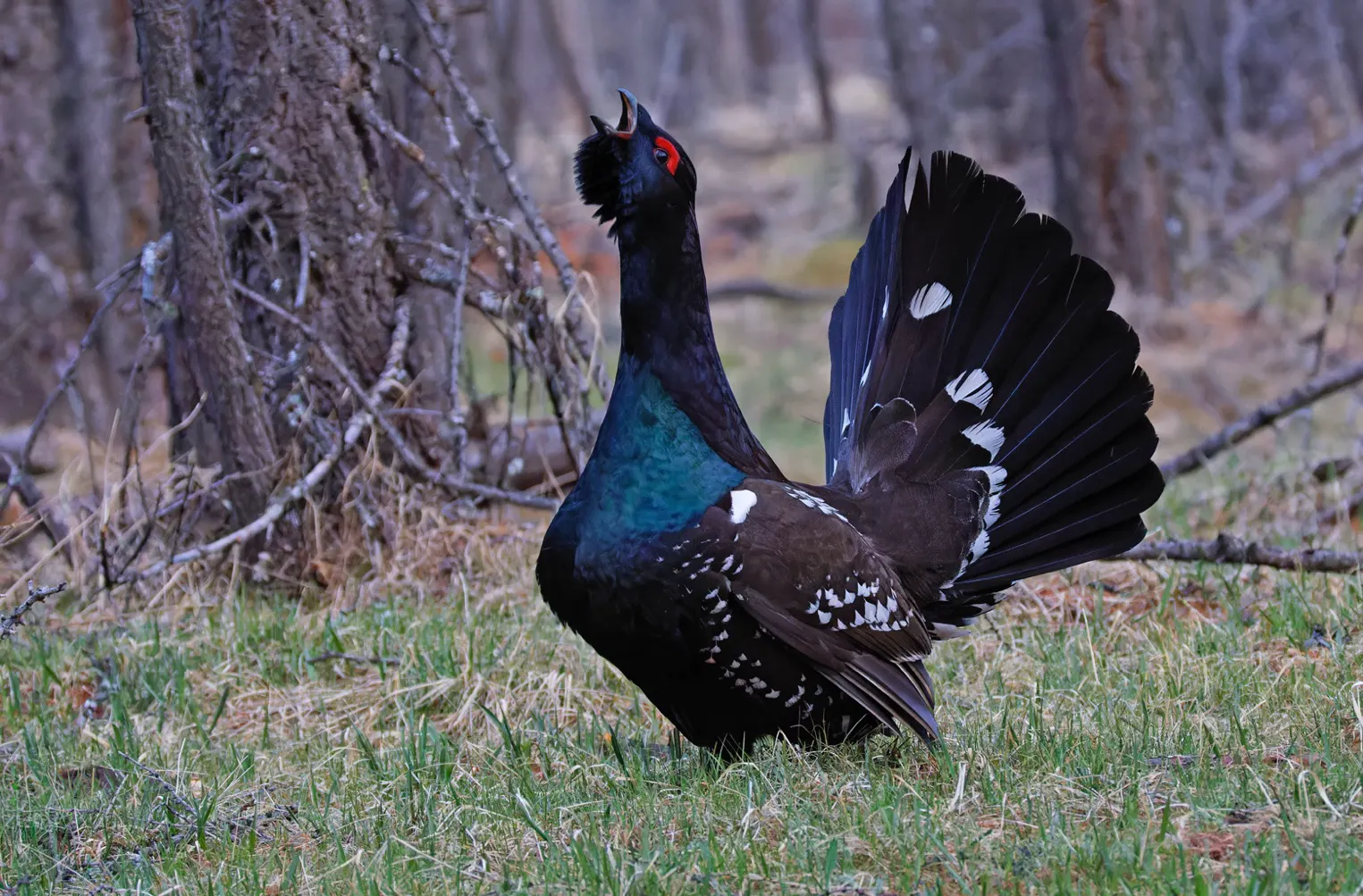
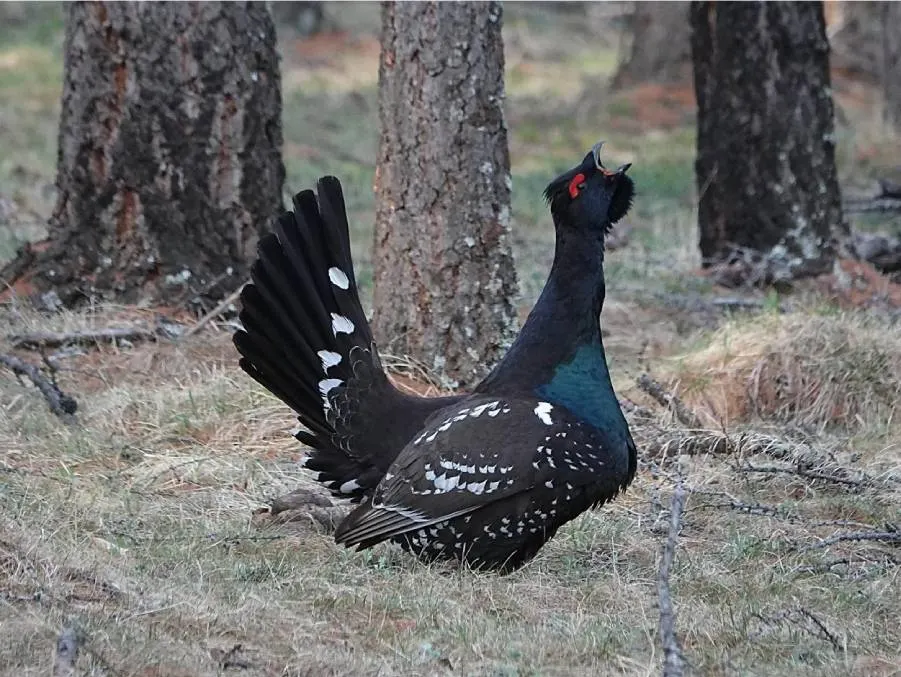
Black-billed Capercaillie © tour participant Peter Post
Mongolia is a vast land of incredible landscapes, wonderful bird and mammal experiences, and with a fascinating history and way of life making it a remarkable destination. Our tour is one of the most thorough birding itineraries available yet still covers only a fraction of the country’s area. Visiting a wide range of habitats we were treated not only to the very special breeding birds such as Black-billed Capercaillie, Hodgson’s Bushchat, Altai Snowcock, Relict Gull, Oriental Plover, Mongolian Ground Jay, Saxaul Sparrow, Pallas’s Sandgrouse, and the charismatic Kozlov’s Accentor – Mongolia’s only avian breeding endemic. We also witnessed exciting passerine migration – including finding a National First – and special waterbirds like Asian Dowitcher, Mute Swan, and Baer’s Pochard. A range of mammals complimented the birds nicely, highlighted by Saiga, Przewalski’s Horse, Asiatic Wild Ass, Mongolian and Goitered Gazelles, Corsac and Red Fox, Siberian Ibex, numerous ground squirrels, jerboas and pikas, and Long-eared Hedgehog. The weather was pleasant through much of our journey, allowing us to appreciate not only the dramatic landscapes, but also enjoying an impressive range of Lepidoptera, Reptilia and Angiospermae.
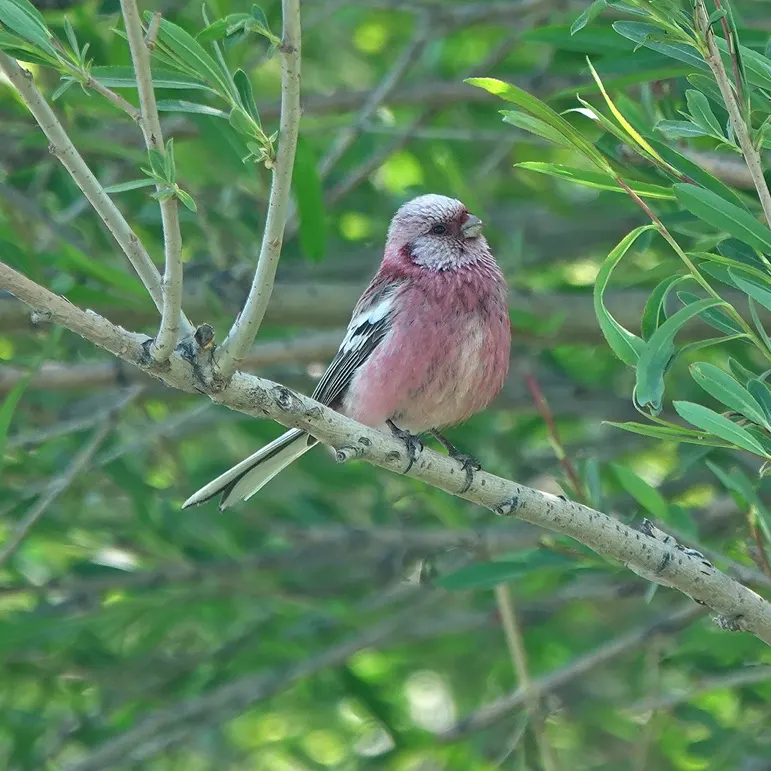
Following informal introductions in-the-field close to our Ulaanbaatar hotel the day prior to the tour’s start date, where nesting Lesser Spotted Woodpecker entertained us and a herd of Wapiti leaped the five bar gates and waded over the river, we retired to our rooms and prepared for the adventure ahead. For those already arrived we again ventured into this highly productive area pre-breakfast on the official tour start date. Gorgeous Siberian Long-tailed Rosefinch and recently colonised Mandarin Duck were spotted alongside several White-cheeked Starling – this area is very reliable for this species – they are strangely absent elsewhere on the tour. The remaining birdwatchers joining the tour landed around breakfast time so for the only time on the tour our convoy of four high-end 4x4s split – one went to meet the freshly arrived trio and the others drove east. We arranged a rendezvous at the spectacular Chinggis Khaan monument – a 40-metre high, gleaming horseback celebration to the former ruler of these lands. En-route we had a brief stop at the tiny (relatively speaking) Bus Lake where four species of wildfowl, three species of wader along with a gull, a tern, and a raptor provided an introduction to the steppe lakes we would visit later on the tour. Any local patch watcher would desire such a pond in their home country with its inevitable draw for passing birds. Once rendezvoused and the obligatory photographs of the imposing statue are consigned to memory cards – oh, and after enjoying a migrant Siberian Rubythroat in one of three bushes standing we set off on our long adventure in earnest. The said three bushes are an appetizer to another aspect of the tour, the excitement of finding random migrants, some common, some less so, in the tiniest patches of vegetation throughout – this really is a tour for real birdwatchers and patch workers – you just have to have a different patch every day!
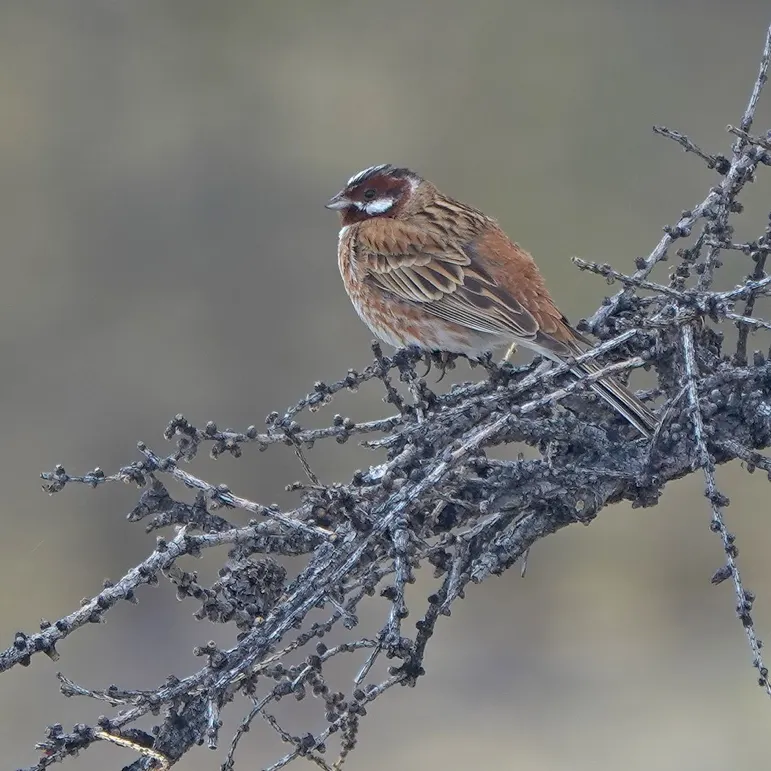
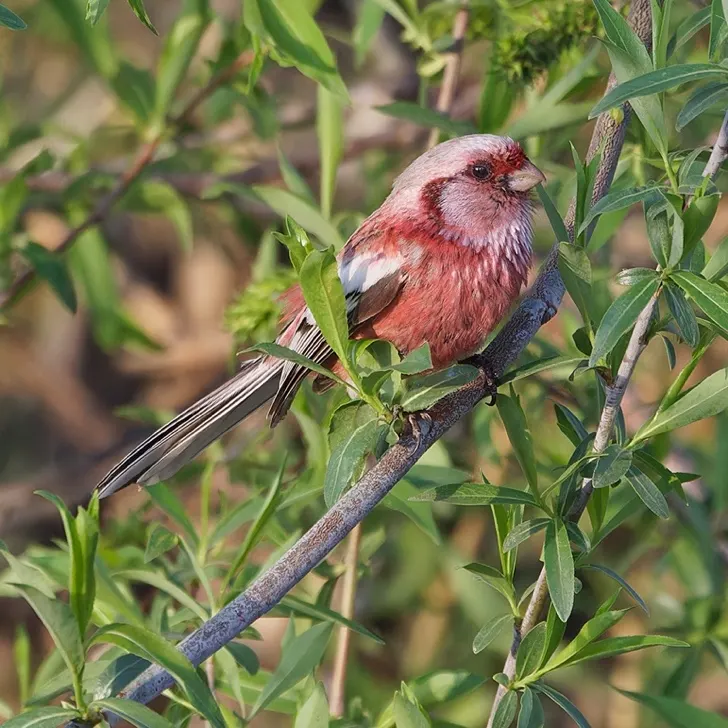
Siberian Long-tailed Rosefinch and Pine Bunting
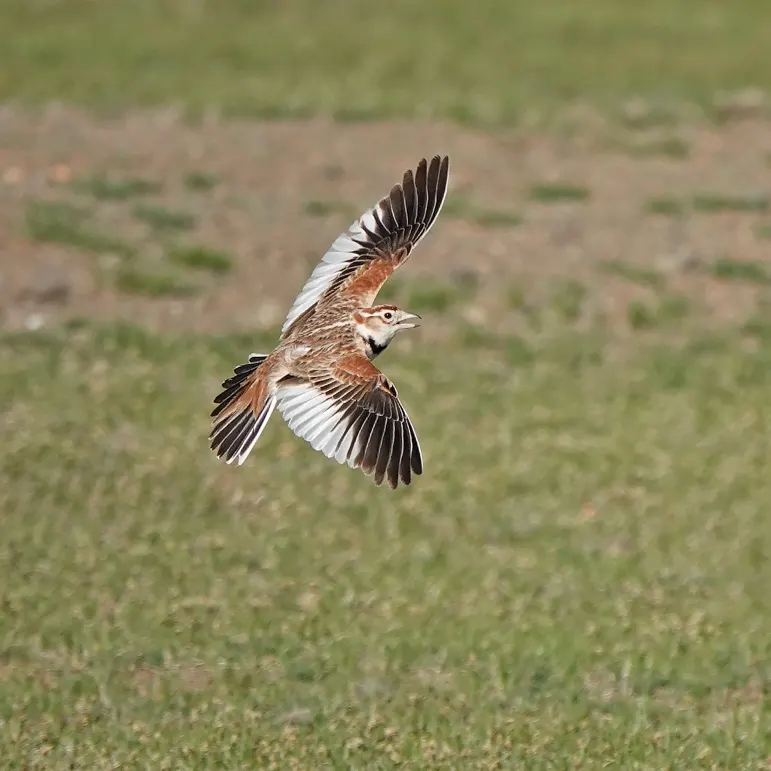
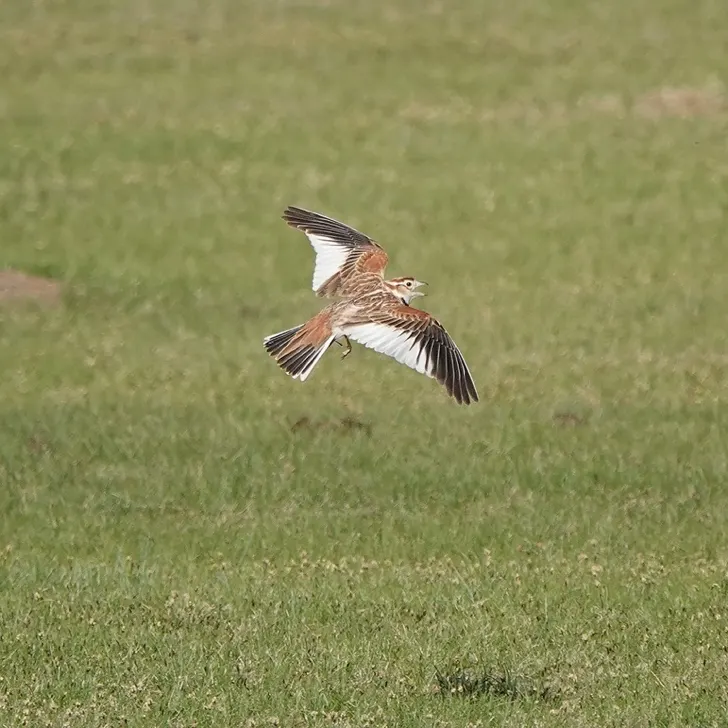
We continued to Gorkhi-Terelj National Park and were soon engaged in off-road mode – an exhilarating experience and one we would be very used to by the end of the tour. A couple of impromptu stops were made to enjoy the likes of Cinereous Vulture (remarkably common in Mongolia), Black Kite, Daurian Jackdaw, Red-billed Chough, Blyth’s Pipit, Rufous-tailed Rock Thrush, Isabelline Wheatear, Rock Sparrow, our first pair of Demoiselle Crane and two striking Mongolian Lark. The latter would prove popular and numerous throughout the tour.
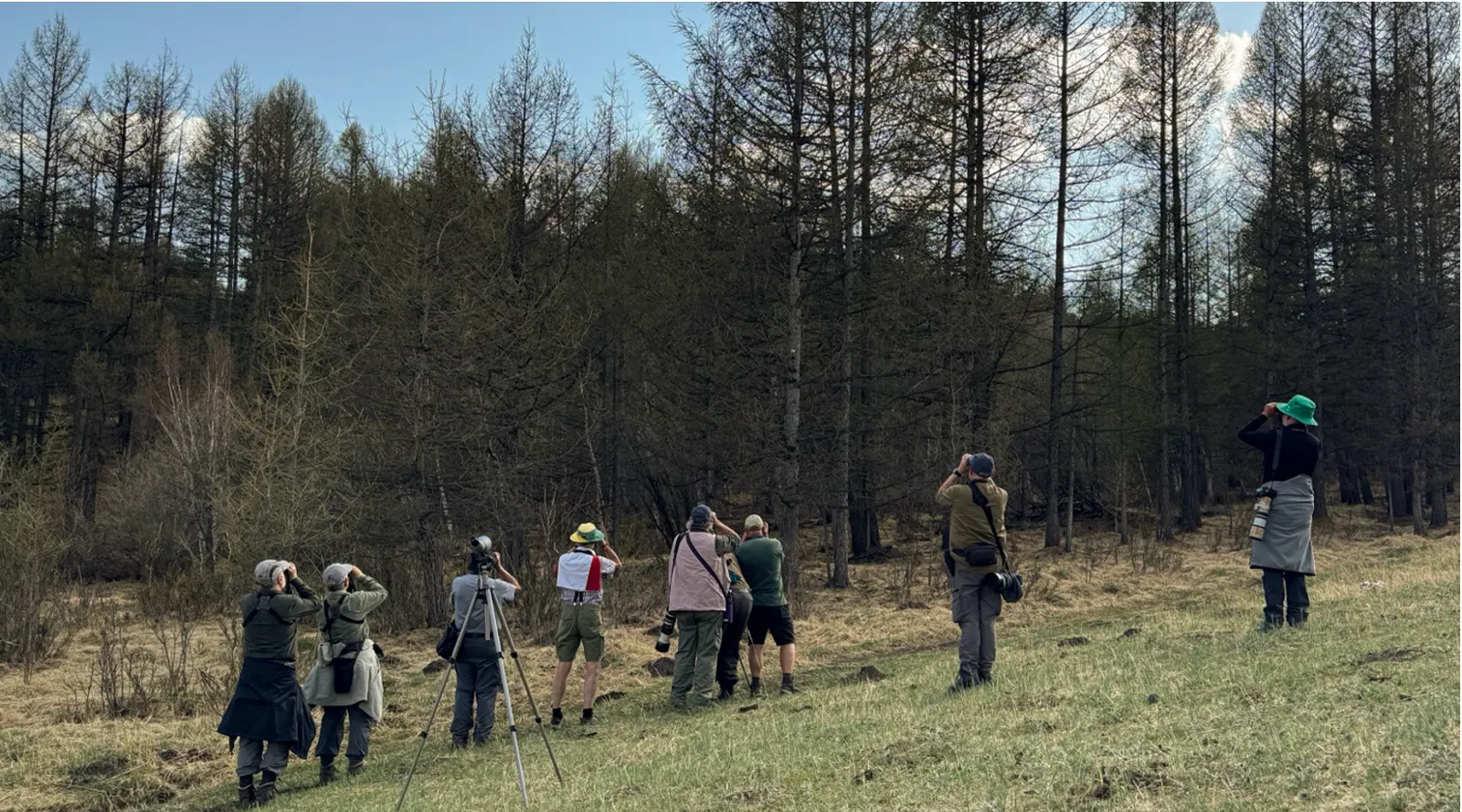
As we rallied on, a sure fire tour highlight awaited. In the late morning we spotted our first trees – predominantly Siberian Larch Larix sibirica – and just twenty minutes later had cast our eyes upon a very relaxed group of three Black-billed Capercaillie. We strategically positioned ourselves below the skyline and used the sparse cover to hide our presence. Then, we settled to enjoy these super-sized Phasianidae in their remarkable natural environment – there is still a vast minority of active birdwatchers who have not seen this species. Nowadays on our tour, we have the privilege of encountering them in such comfortable conditions in this southern limit of the taiga forest in northern Mongolia. The sun shone, a light breeze blew, and hearts pounded (from excitement, not gruelling effort). A far cry from the arduous trek in to the Russian taiga to glimpse the then mythical ghost that had been undertaken by friends in the nineteen seventies. These birds are stunning, powerful denizens. This tok of Capercaillie was absolutely comfortable with our presence and boldly strode over the forest floor – often in our direction. Occasionally one would take refuge behind a tree– a rather futile attempt to hide as, at any time, either its head or tail, or often both, would stick out to give away its location.

The next tour staple followed, a gourmet lunch prepared in-the-field by our support team – we became very appreciative of their efforts throughout the long hours of this tour.
We spent the afternoon exploring likely looking spots in the forest. A damp gulley with assorted deciduous species in this coniferous landscape proved the ideal spot to rack up a few woodland species. The air was full of song, Olive-backed Pipit, Dusky Warbler, Yellow-browed Warbler, and Pine Bunting all vying for our attention. A little less conspicuous were Willow Tit, Pallas’s Leaf Warbler, Red-flanked Bluetail, and Black-faced Bunting. Best of all were males of Red-throated and Naumann’s Thrush.
Returning to camp we paused on another forest ride, this time concealed from the capercaillies by the vehicles. Three more were observed, close enough for the drivers to record the moment on their mobile phones.
Any after effects of the rigours from our first night under canvas were very soon forgotten with the anticipation of more capercaillie action. We walked in to the forest soon after dawn from our camp. Almost immediately the distant clack of capercaillie display was heard. We approached slowly and quietly. Within minutes we were in the arena alongside at least seven lekking Black-billed Capercaillies. Amazing! Despite the glorious spring weather there was still significant lekking activity. Previous conventional thinking was that the capercaillies only continued lekking this late in the year during cold springs when their breeding activity was delayed. However, that no longer seems to be the pattern.
Maybe these birds have not yet been successful and failed to mate thus far – hence they are persistent in their efforts. They certainly appeared very strong and healthy, very impressive indeed. All the males were strutting about with tails cocked in their own chosen area of real estate – at times two would approach each other, become even more animated and occasionally launch in to a perfect Mick McManus drop kick to its rival’s chest. Almost hypnotic in quality, their mechanical clacks seem to emit from their mandibles clacking together. This however is not the case, as can be detected from our intimate views. The sound emanates from his syrinx, resonating deep down in his belly – and not from mandible on mandible. Whilst we were close enough to see every detail and action, we did not approach so close as to risk any actual confrontation – after all who wants to confront a horny capercaillie face to face and be misidentified as fair mating game. Let us hope that all other observers will show the same respect and restraint, these birds are becoming well known, and one can detect they are becoming almost habituated. The best possible start to any tour!
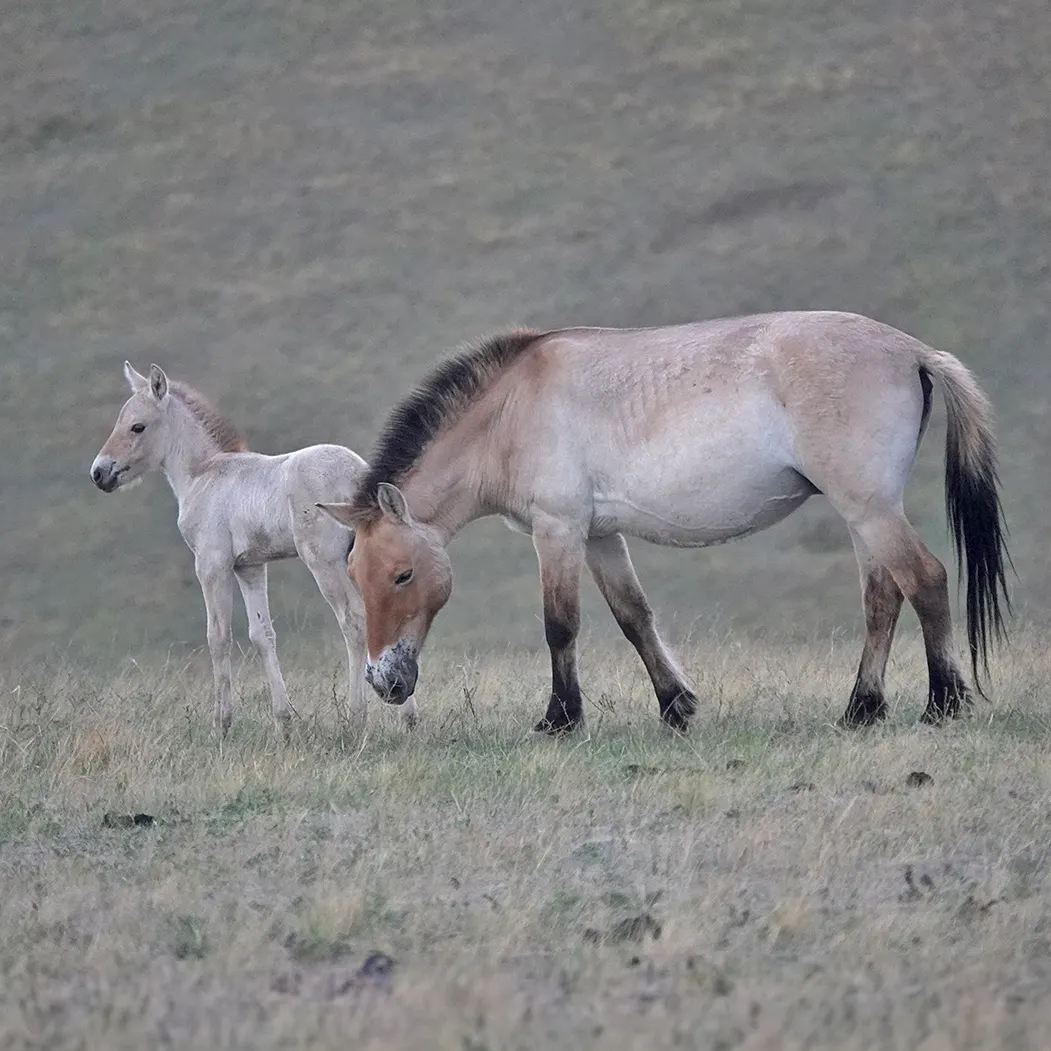
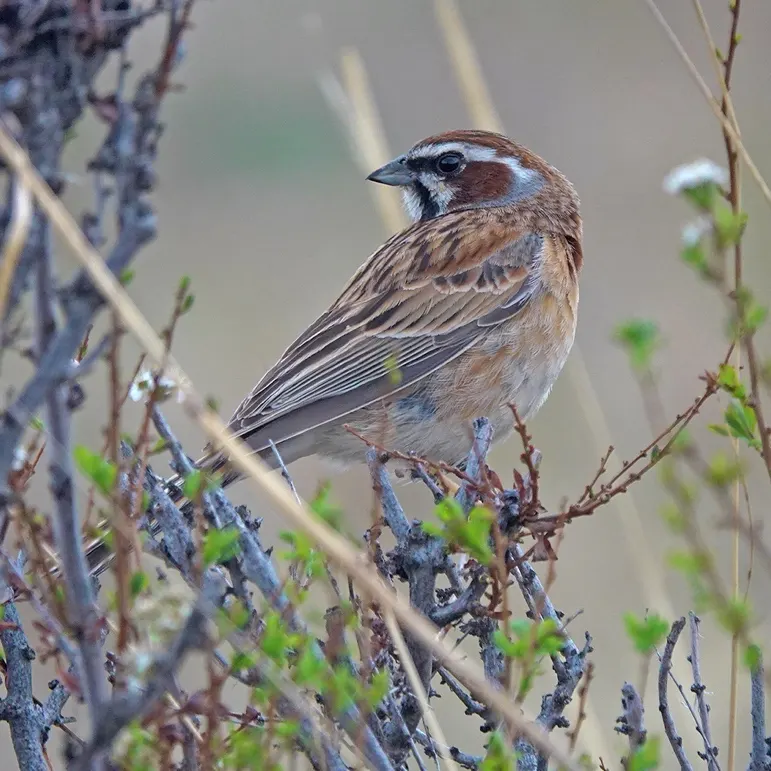
Przewalski’s Horses and Meadow Bunting
We had the first of many long drives ahead, hence we departed the forest soon after 0900. The best laid plans were however disrupted by the draw of the free spectacle of another flying beast: the Strizhi aka The Swifts. The Strizhi are the expert aerobatic team from the Russian Federation and they have attracted the whole of Ulaanbataar to our desired route south of said city. Their MiG29 fighter jets travel at 2,450km/h, that is precisely 2,448km/h faster than the speed we averaged. However, the traffic chaos does not mean we are defeated, yes we arrived late which meant a late lunch and just enough time to drop bags in to the well-appointed Gers that would be home for the night. Soon we were in the environs of Khustain Nuruu National Park.
The park is home to the largest re-established population of Przewalski’s Horse (locally known as Takhi) in their former native range, and we were treated to numerous encounters including newborn foals. Khustain Nuruu is one of only three localities in Mongolia where Przewalski’s Horse has been re-established having become extirpated in 1966, and the population here now approaches 500 individuals out of approximately 1,400 known in the wild. Other mammals were conspicuous in the park, not least the many Tarbagan Marmot dashing for cover, several rangales of Wapiti, and Long-tailed Ground Squirrels. There were also some important birds to find, after a great deal of effort we found a pair of Daurian Partridge. A couple of Meadow Bunting perched conspicuously were a little less challenging.
Sadly the presence of feral horses was apparent with signs of hybridisation – the overall pale colouration of a few individuals within the herds of Przewalski’s Horse and their mane appearance; floppy and longer than normal rather than short and erect. A sun shower resulting in a rainbow draped valley was a fitting end to the day. Well, almost the end, those with energy remaining and the desire for mammals took a short night walk after dinner finding several Siberian Jerboa and a Corsac Fox.
The night gave our first experience of staying in Gers, a traditional form of accommodation that has been used for thousands of years in Central Asia, and especially Mongolia, to facilitate a nomadic life. Gers are portable, collapsible, circular rigid tents that are now used widely as homes and as quirky but convenient tourist accommodation. They are indeed ideal, very spacious and practical and in tourist camps come replete with electrical charging points, clean toilets, and shower facilities.
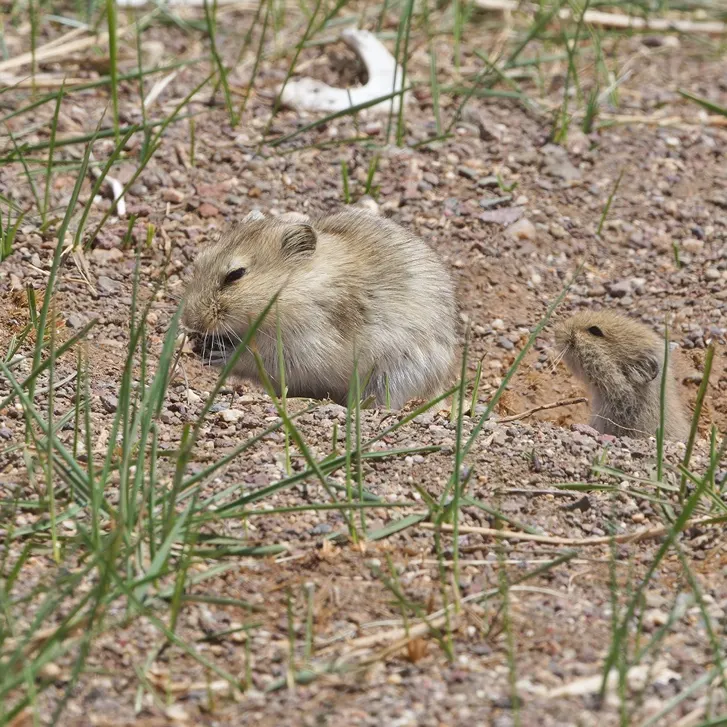
The following morning a pre-departure look at the same area revealed numerous Mongolian Gerbil and a migrant Pallas’s Reed Bunting.
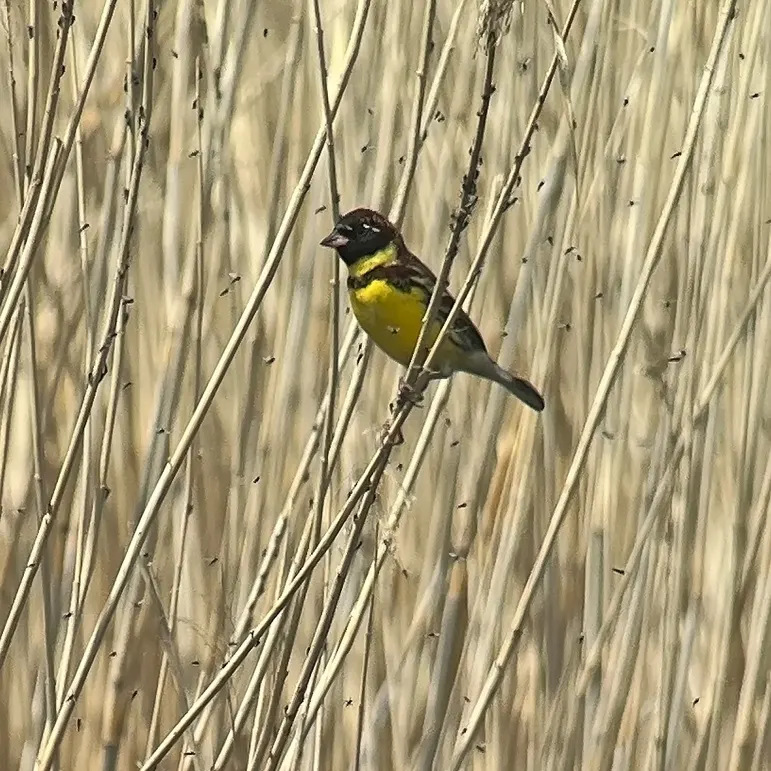
Yellow-breasted Bunting and Mongolian Lark
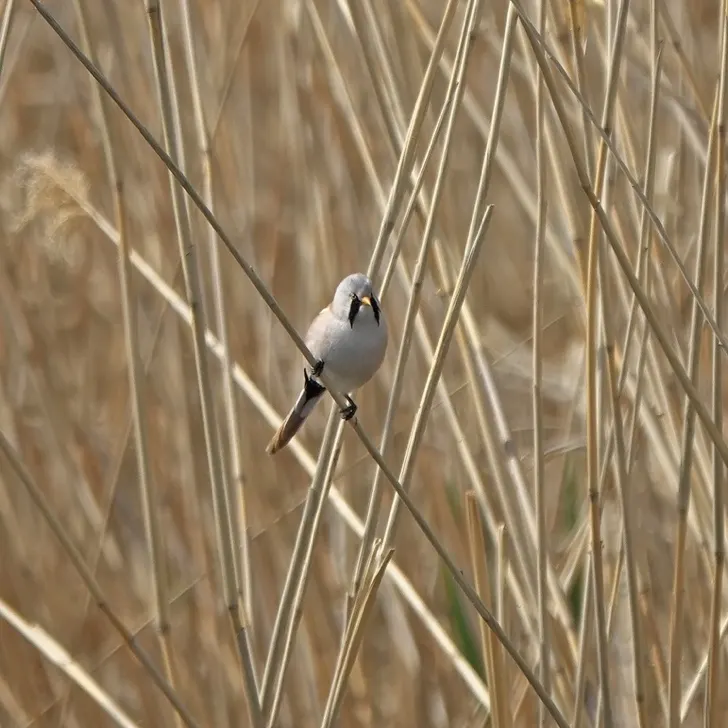
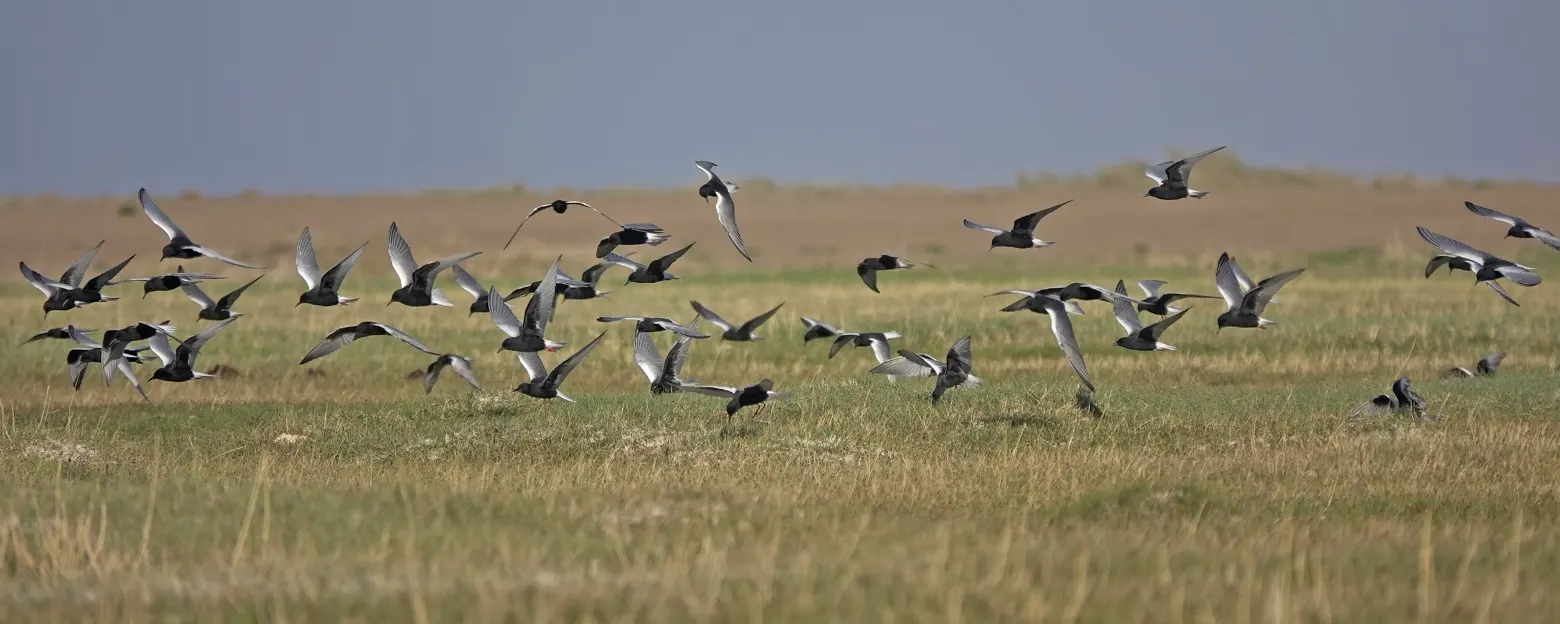
After a comfortable night we continued west and soon made our first of many wetlands stops scattered along our tour route, at Bayan Nuur. Nuurs (lakes) in Mongolia tend to be havens for waterbirds and Bayan was no exception with impressive concentrations of 19 species of waterfowl. Additional interest was in the form of numerous beautiful Black-necked Grebe, White-naped and Demoiselle Crane, Eurasian Spoonbill, and several stunning Eastern Marsh Harrier. Reedy edges were alive with Paddyfield and Oriental Reed Warbler, Common Reed Bunting and Bearded Reedling. Undoubtedly the highlight was the two male Yellow-breasted Bunting feeding on a Diptera infestation in the reeds alongside 15 or so migrant Pallas’s Reed Bunting, couple of Black-faced Bunting, and several Dusky Warbler. The lake shore held a nice wader selection, mostly in breeding dress, including Pacific Golden Plover, Common Greenshank, Marsh Sandpiper, Long-toed and Red-necked Stint, Eurasian Curlew, and Ruddy Turnstone. Like many of the waterbodies visited during the tour, hundreds of White-winged Terns fed from the surface – not the rarest of sightings throughout but always a treat. The main water body away from the reedbed is scanned from a distance and holds the largest number of Common Shelduck on the tour and our first Stejneger’s Scoter.
The distinctive lydiae Pallas’s Reed Bunting which is likely soon-to-be split from the nominate birds as ‘Mongolian Bunting’ was tracked down in the nearby scrub and we dubbed them “Mongolian Scrub Bunting” – much better, I think.
We took lunch at the picturesque marsh at Takhilt Lake where new additions were a pair of splendid Slavonian Grebe, a stunning male Falcated Duck, and three brick-red Asian Dowitcher. En route to our hotel in the town of Arvaikheer, the capital of Övörkhangai province and one of the most central points of Mongolia we find time to call in at Sangiin Dalai Nuur where another waterbird spectacle was enjoyed. An elusive, if such a large bird can be elusive, White-tailed Eagle was a bonus here. ‘Roadside’ sightings included numerous Isabelline Wheatear, Asian Short-toed and Mongolian Lark, and Pere David’s Snowfinch. The hotel was memorable for a couple of reasons for those in attendance, but as they say, what goes on tour, stays on tour!
It took most of the day to reach the remote Khukh Nuur but several Saker along the road and many views of Upland Buzzard, Steppe Eagle, Cinerous Vulture along with ubiquitous Horned Lark and Isabelline Wheatear. Our daily thirst for a wetland or two was quenched with stops at Gun Lake and Khukh Burd Lake. The trip list ticked along with new additions such as Dunlin, Black-throated Diver, Gull-billed Tern, Bewick’s Swan, Spotted Redshank, and Black Stork plus an impressive large group of Demoiselle Crane.
Our drivers skilfully navigated the dirt roads which would now predominate for large parts of the tour. Their braking timed to perfection over the undulating ground and especially so where an old rutted track crossed the chosen track. We arrived with little daylight remaining but sufficient to allow the crew to set up yet another perfectly appointed camp next to lake and the cacophony of the Mongolian Gull colony, with a rocky ridge towering above us. The weather was OK…… however the strength of the wind had increased appreciably.
Sulphur-bellied Warbler and Hodgson’s Bushchat
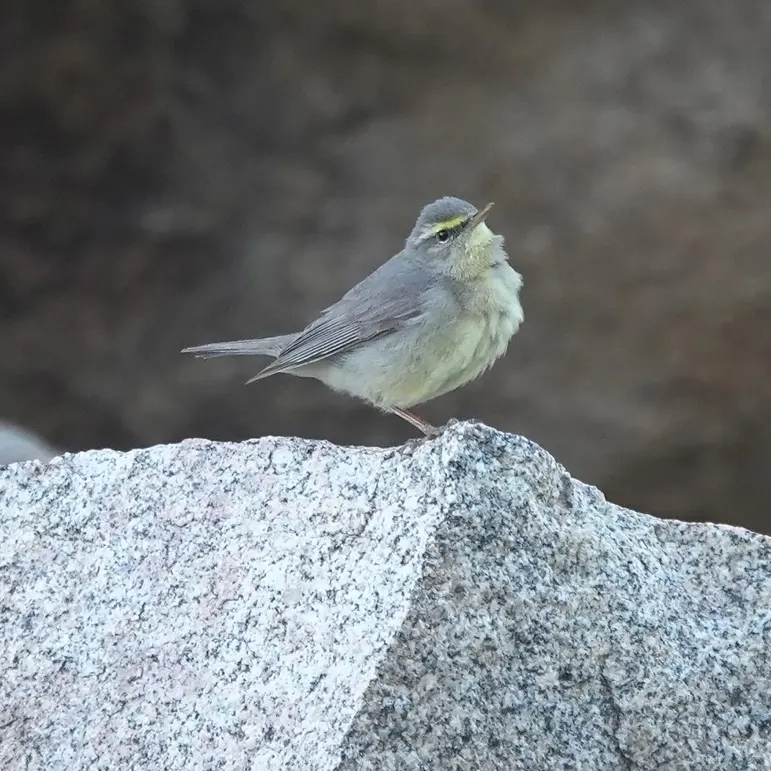
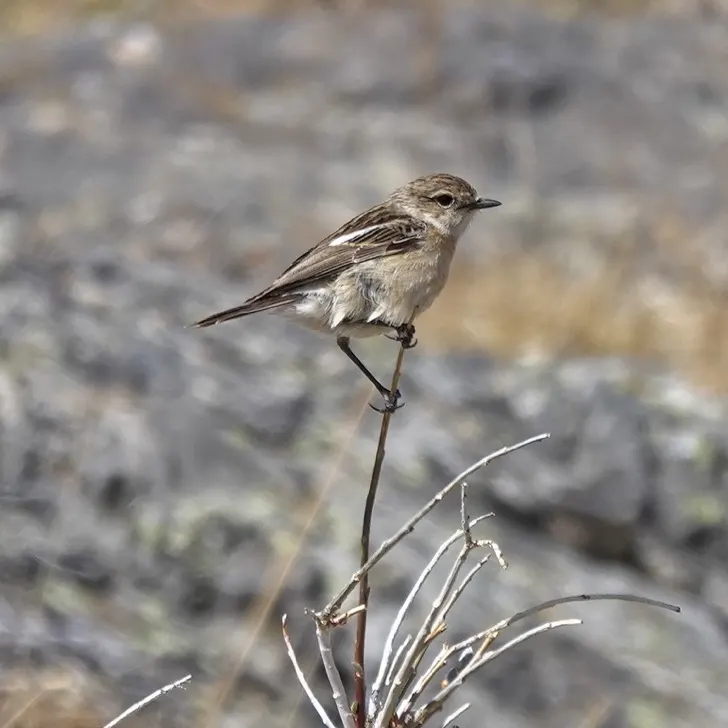
The following morning, we woke and spent a chilly hour or so pre-breakfast scanning the rocky ridge and quickly pinpointed five Altai Snowcock. The wind was now blowing with such force that their call evolved for such conditions was inaudible. After a welcome warm breakfast we headed out in search of the bag full of special targets here. We appeared to be subjected to the tail end of the winter Buran, well known for its inclement conditions – we experienced hail, rain, sleet, snow, low cloud, almost all forms of precipitation known to man were endured during the first morning at Khukh Lake. Anyone wishing to relief themselves really had to bear in mind the old saying akin to trying to do something when there is no hope of succeeding. We managed to tolerate the weather for four hours during which time a good proportion of the targets were hit, including three Eversmann’s Redstart, but not all, and some not by all – but no fear, we had the afternoon to play with still. After another energy filling meal we headed out in the 4 x 4s to another slope known to us – just a short hop away on the map, but more than an hour’s drive over the unforgiving terrain. The wind had dropped appreciably and a few patches of blue sky allowed us to proceed with renewed optimism – and that was justified. By the end of the day we had succeeded in finding all but one of the localised targets. Subsequent to a brief female Hodgson’s Bushchat for some in the morning, here three pairs provided all the views we could wish for. This is an extremely tough species to find elsewhere, on either its breeding or wintering grounds. Altai Accentor and Güldenstädt’s Redstart were two more high-on-the-list species we sought here, both provided lovely views. Also around were many Brown Accentors, several nominate pallasi Pallas’s Reed Bunting, Twite, and White-winged Snowfinch.
Migrants were passing by in a trickle, a sharp contrast to what can be witnessed here, only Citrine Wagtail was present in double figures with a few Black-faced Bunting too. The small habitation of Siberian House Martin that foraged over the lake shore were a welcome sight. We had spent quite some time scrutinising a large habitation of Western House Martin the previous day without spotting that extensive white rump and apparent short black tail. Today, the striking appearance of these birds confirmed our thoughts from yesterday, that we had not seen any Siberian.
A final session along the base of the rocky ridge whilst our camp was packed the following morning allowed us to finally find the missing target. The distinctive sushkini race of Asian Rosy Finch – colloquially known as Khangai Rosy Finch had eluded us until now, but a brisk stroll in the much-improved weather, to a spot where we had seen them in previous years proved successful. Bidding goodbye to this spectacular, remote area we made our way westwards again, a long way westward to our final destination for the day. Despite half the journey on the new smooth asphalt A0304 events unfolded that resulted in an after dark arrival in the town of Darvi on the eastern shore of Ikhes Lake. Pre-empting our late arrival, Tumen mobilised his friends at our destination, and by the time we landed he had secured beds for all in Darvi: some in the local school and others in the bank! What had caused the delay? After effects of the shenanigans in the Arvaikheer hotel, too many enthusiastic birdwatching stops (one needs to be disciplined when there are such distances to cross), and punctures – two in number. A stop at Taigan Nuur added a couple of new trip birds; Red-necked Phalarope, Broad-billed Sandpiper – and another resplendent Asian Dowitcher. The final dirt road section necessitated a stop for a small flock of apparent migrating Lesser Kestrel and the second of the aforementioned puncture stops resulted in a find of a pair of very obliging Sulphur-bellied Warblers.
Relict Gull
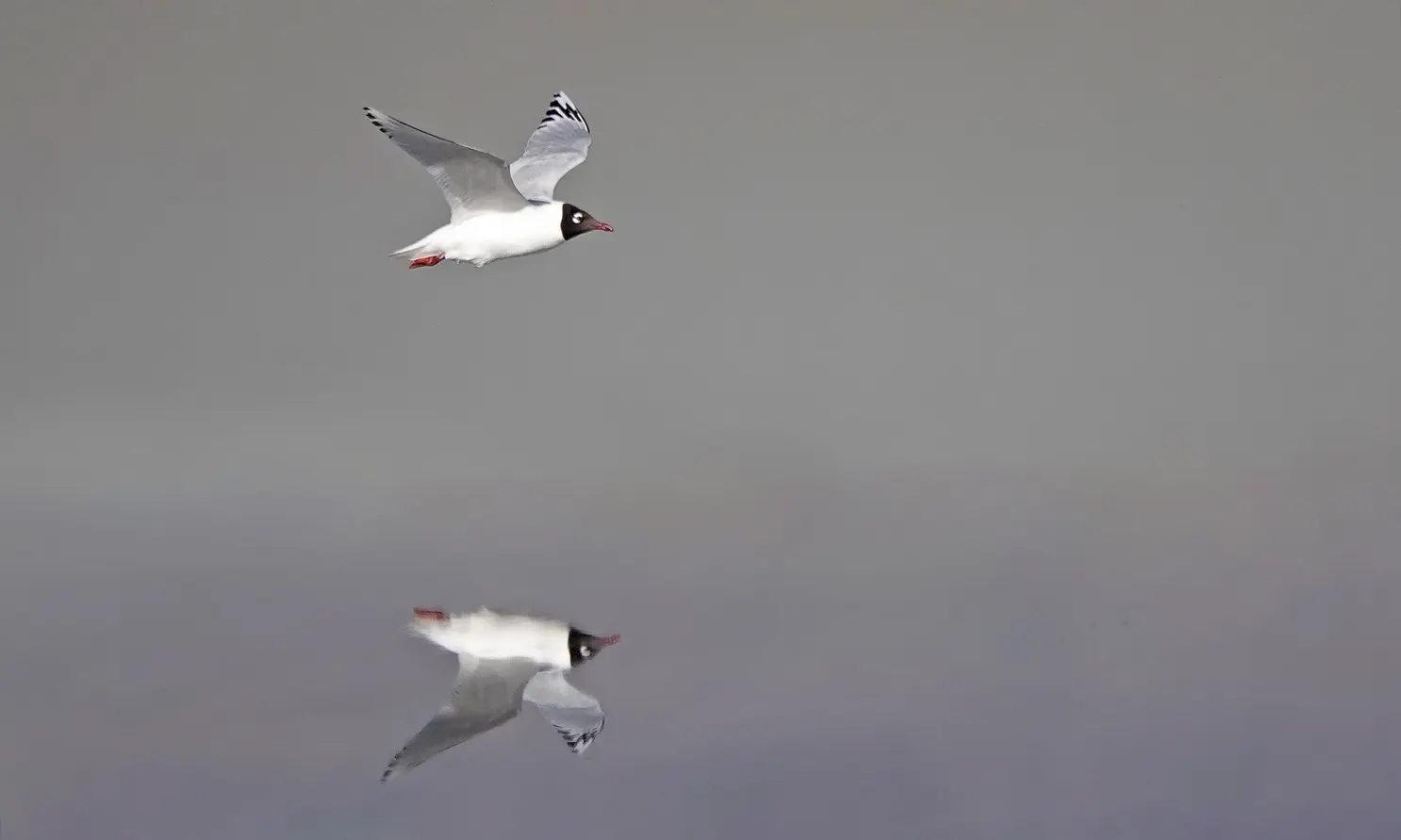
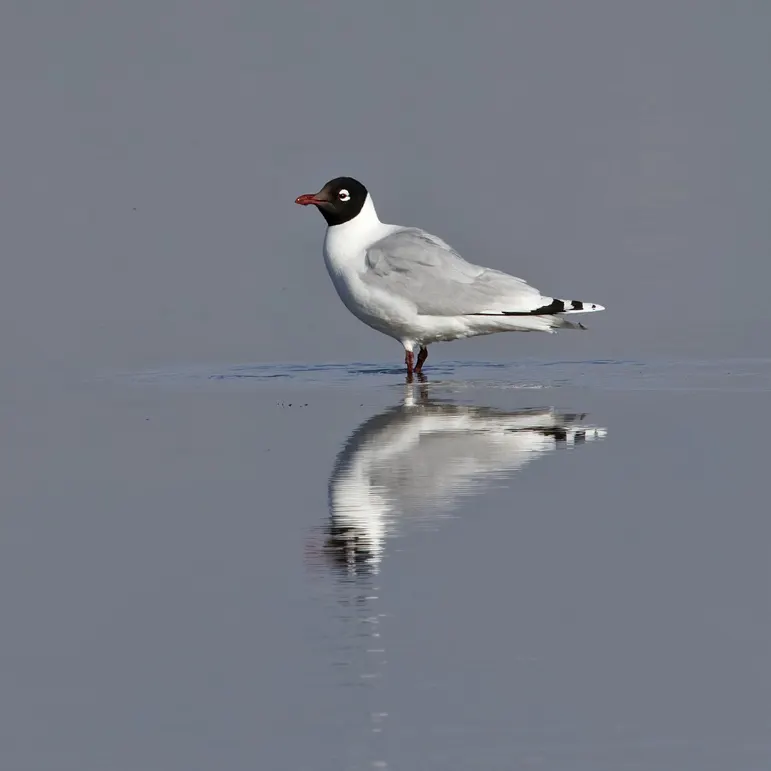
The following morning, we were once again full of anticipation for one of the tour highlights. Following our initial ‘scope views of the main quarry, Relict Gull, we traversed the dumbles to the lake edge where we were within a few metres of them bathing in glorious sunlight, and the millpond calm lake waters reflected the distant mountains and feeding birds. This saline lake is one of the few accessible breeding lakes for the rare and beautiful Relict Gull, one of the least known gulls on the planet. Whilst we were not in sight of the actual breeding colony, we did count 220 individuals, almost all of which were in superb breeding dress, and some were paired up and displaying to one another. Many of them offered superlative views as they visited a fresh-water inlet to bathe Two Slender-billed Gull were also present, seemingly an increasing rarity to Mongolia. A modest selection of waders included our only Terek Sandpiper of the tour, while the grassy surrounds had Western Yellow Wagtail, which here at the eastern edge of their range they included the highly restricted white-headed leucocephala subspecies.
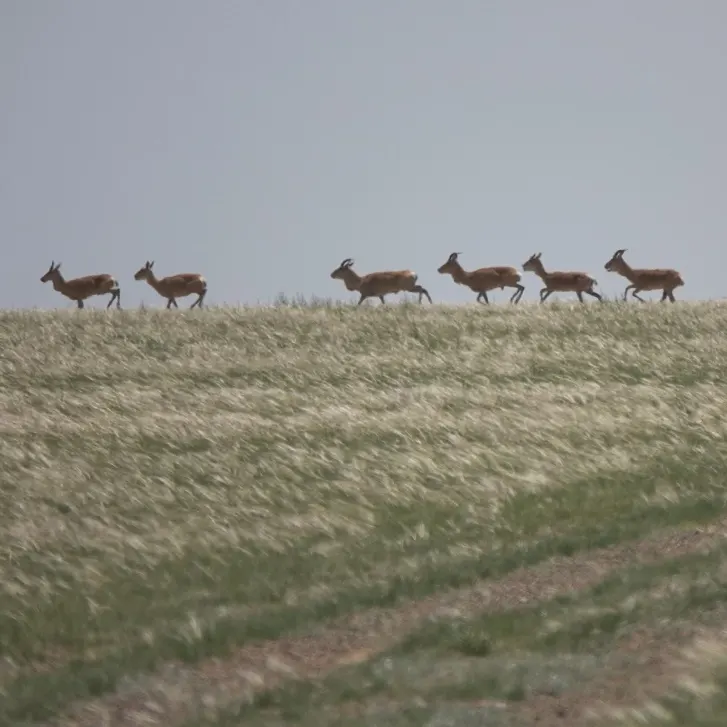
Departing the area via a different route we headed southeast into Sharga Nature Reserve – home to the Saiga. This bizarre antelope, most closely related to Springbok, once grazed from western Europe through to eastern China, but now only survives in pockets from here to western Kazakhstan. They have huge, bloated nostrils, allowing them to filter out dust when herds run, as they are so tightly-packed together – something we were able to witness, as they ran at high speed through the stoney steppe, with their heads down reminiscent of pigs. ‘Mongolian Saiga’ home ranges are vast, and there is no guarantee to locating them, but we spotted around 40 individuals during the morning of the total Mongolian population which number fewer than 5,000, we felt extremely fortunate.
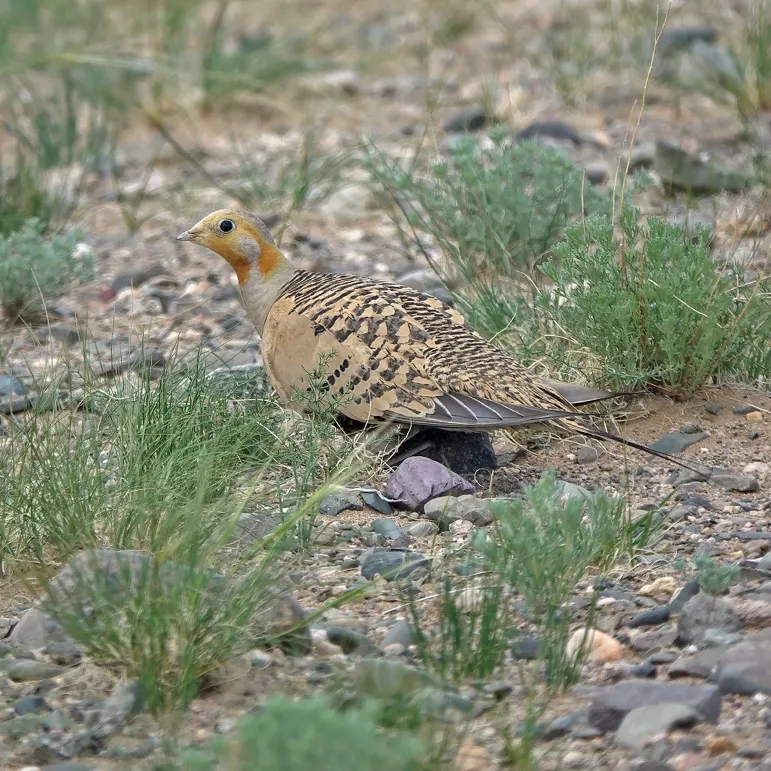
Our camping destination today was a relatively short drive in comparison to previous days. During the Saiga sightings we did record our first Pallas’s Sandgrouse of the tour – and later around 40 greeted us at our camping location. We had a lunch stop by a bridge over a river in the desert – when viewed on a satellite image this river is short lived. It flows in to (or out of) Shargiin Tsagaan Lake and runs east west for around 40km and disappears into a depression which presumably fills with water during wet periods. Another ideal local patch! Visible migration was noted with Common and Pacific Swifts quickly passing through as well as a mobile flock of White-winged Terns. A pair of the very smart personata White Wagtail and two leucocephala Western Yellow Wagtail were outshone by an unexpected Common Starling. Waterbirds were represented by eleven species including our first Little Tern.
Mongolian Ground Jay and Relict Gull © Alan Tate
A pre-breakfast session at Taigan Nuur added to the fun of the wetland watching – a rather poorly looking Bewick’s Swan, more then 30 Common Crane, five species of Calidris wader, Gull-billed Tern, and another distant Stejneger’s Scoter provided the main interest and were a nice start to the day which ended with a total of 98 species recorded.
The day was designated to a drive to Böön Tsagan Nuur: it was an eventful journey. Our fuel stop at Buutsagaan followed a similar pattern to others. The drivers dropped us off at a likely looking migrant trap whilst they then did the necessary. This area is well known to us, quite a large plantation with a few adjacent livestock pens is the attraction. A good list of passerine migrants was logged in an hour – Isabelline Shrike, Yellow-browed Warbler, Greenish Warbler, Two-barred Warbler, Dark-sided Flycatcher, Asian Brown Flycatcher, Spotted Flycatcher, Common Rosefinch, and Ortolan Bunting. However, these were all somewhat out done by literally the first migrant spotted – a female Collared Flycatcher. It was found sallying from the fence line adjacent to the to the plantation on our arrival, just after 10am. Even at 50 metre range the extent of the white in the wing was striking, Shetland resident Pete’s quote was “if I saw that at Sumburgh, I would be very excited”. Fortunately, it remained in situ for just long enough for Tumen to approach and obtain a couple of photographs for modern day documentation. Subsequent to the sighting the identification was discussed with several experienced observers, all of whom concurred with the identification – thanks in particular go to Daniel López-Velasco and Magnus Hellström. To put the record into context, the easternmost records are over 3,100km to the west, in Russia. Once verified by the Mongolian records committee, it will be a new species for the country.
Following this excitement, we stopped off at an area where Rob discovered Mongolian Accentor last year – they were very quickly located and the habitat looked to be quite extensive, hopefully meaning a good population here.
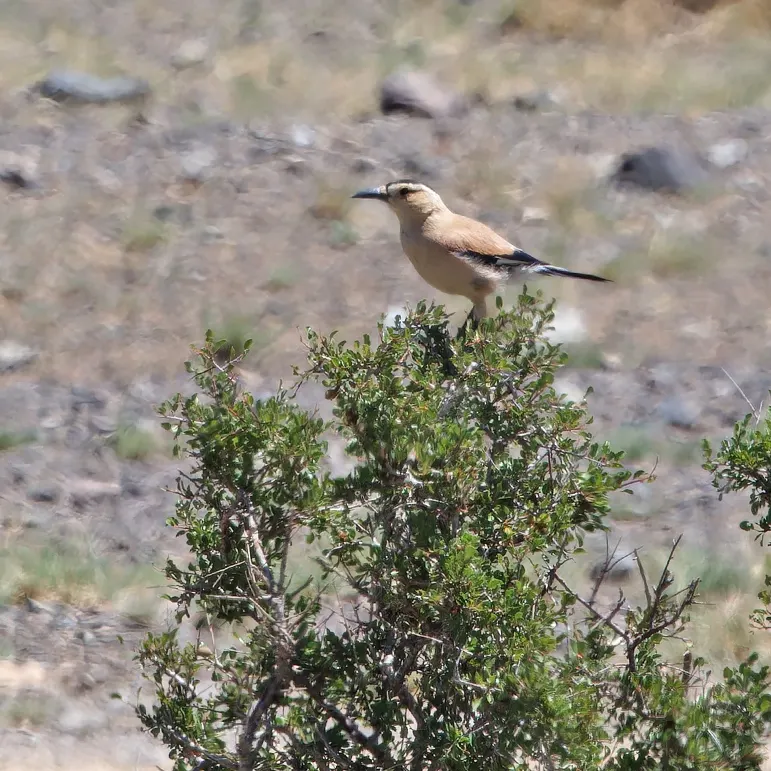
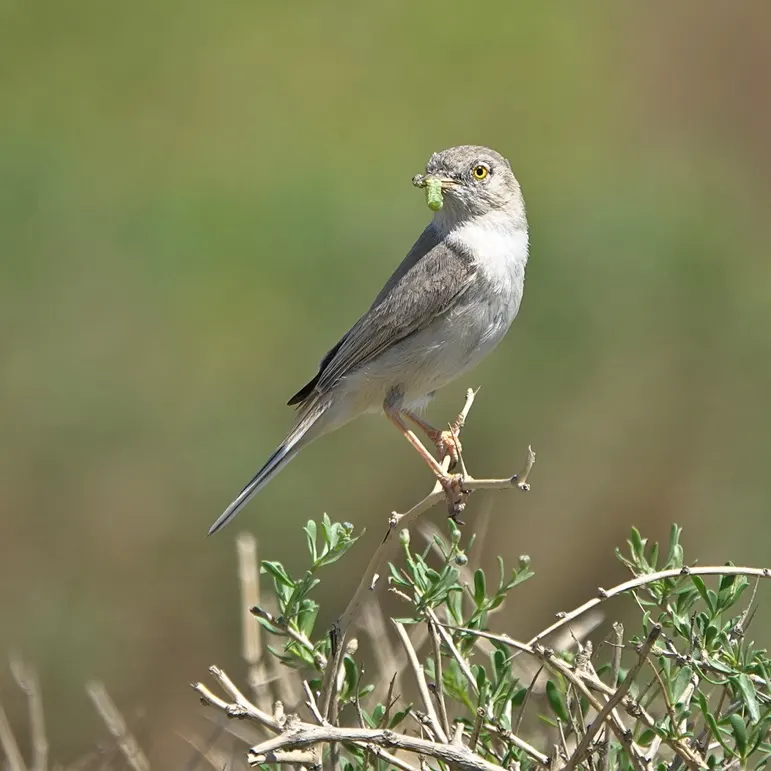
The excitement was not over, whilst motoring towards Böön Tsagan Nuur a bird perched on a bush atop a ridge about 70 metres away caught the eye. A quick stop and we were all soon watching the rather special Corvid: Mongolian Ground Jay. Whilst soaking in the subtleties of this specialised desert dweller, a nesting pair of Asian Desert Warbler also made an appearance.
Desert Warbler and Pallas’s Sandgrouse
Oriental Plover © Martin Kennewell and Saxaul Sparrow © Peter Post
We arrived at our overnight accommodations by 1600 and promptly visited the adjacent Böön Tsagaan Nuur, a vast Ramsar Wetland of 252 km 2 . We concentrated on the nearest parts of the shore and an adjacent marsh: the notorious Gobi wind was on the increase. The enormous numbers of waterbirds present included over 5,000 Great Cormorant and 200 Eurasian Spoonbill. The Ferruginous Duck and Common Pochard flock at the marsh was pinned down but unfortunately no Baer’s Pochard as there was last year. Additional interest was in the form of many glorious breeding-plumaged Pallas’s Gull, our first Caspian and Whiskered Tern, a single Brown-headed Gull, two more Slender-billed Gull, and three significantly rare Dalmatian Pelican. As previously mentioned the sheer beauty and elegance of the multitude of White-winged Tern passing through was again a feature, incredibly mesmerising as they mastered the wind and held position inches from the grass tops and picked off gnats that were taking refuge in the greenery below – the wind was by now so strong that any gnat who put its head above the grass would be blown clear away. Their coordinated actions were likened to squadron of space invaders picking off their unseen enemies from the screen. After dinner the highlight of a night walk was a delightful Long-eared Hedgehog.
During the morning, we ventured around the lake shore in search of Pallas’s Fish Eagle, we were unsuccessful – the only real disappointment of the tour. Seven more beautiful Asian Dowitcher and five Black Stork were added to the notebook. The small stand of bushes at the accommodation attracted the obligatory migrants, most notably Blyth’s Reed Warbler, Isabelline Shrike, and Thick-billed Warbler.
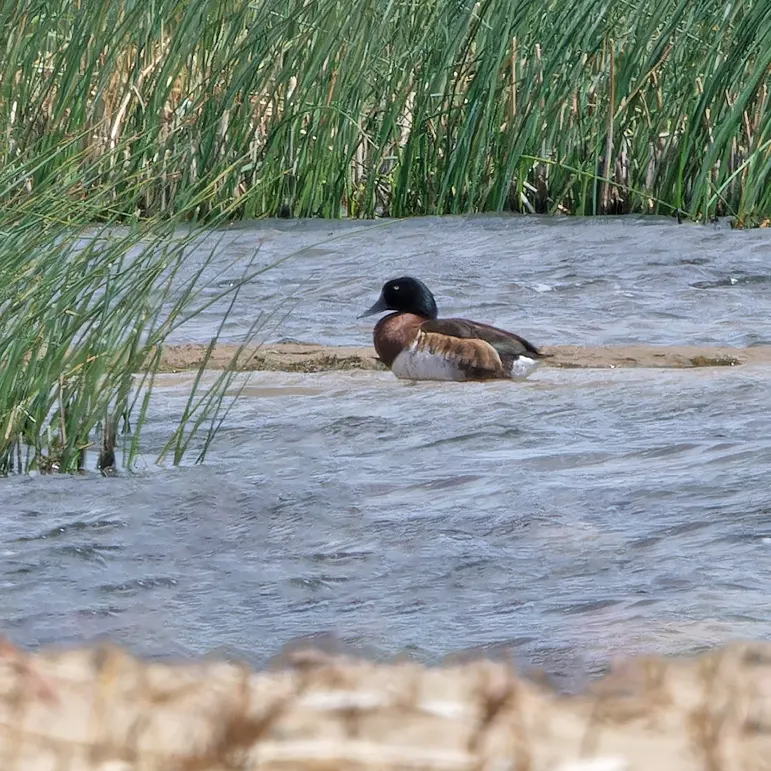
We headed east in the ever-increasing wind. Our friends at Ornis had kindly updated us with the locations of a couple of rare ducks that they had seen recently – both at locations we were due to visit and to where we set a course for. Bayansair Marsh was our first port of call, the wind meant drawing out the potential reedbed species was going to be a bridge too far – however our diligent scanning did locate the Critically Endangered Baer’s Pochard, it associated with a small flotilla of Ferruginous Duck, ironic really, as they are one of its threats – they are known to be hybridising. The male Goosander here was scrutinised, just to make sure he did not show scaly sides!
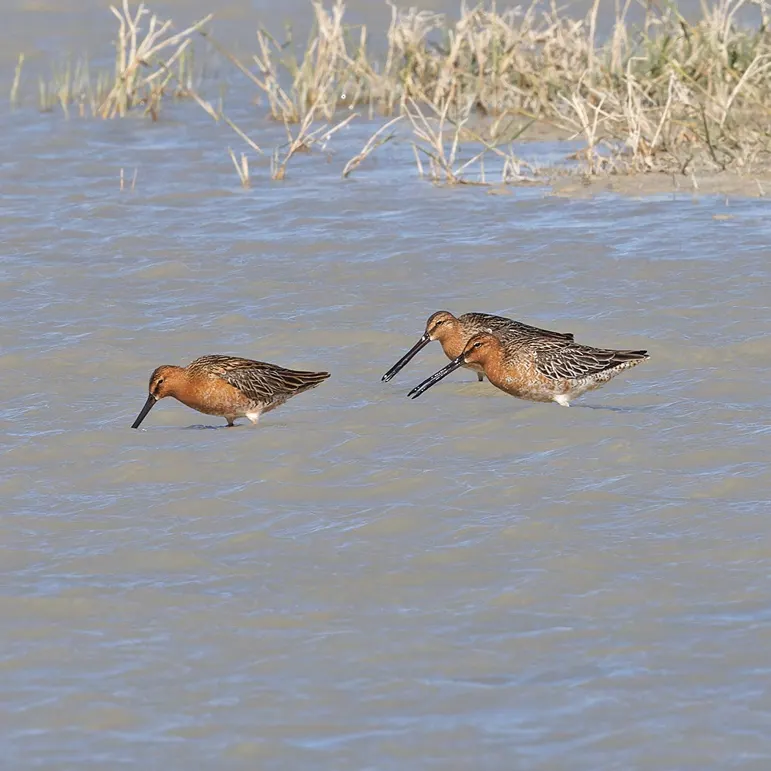
We took lunch at the next lake, Kholboolj Lake, which allowed us plenty of time to enjoy the spectacle. After scanning for quite some time, three Mute Swan materialised – these are truly wild creatures and always open the debate as to ticking European birds. This year, the European birds received a thumbs down and the wild birds were very much appreciated. A further five stunning Asian Dowitcher posed superbly for the cameras and were our fourth sighting of 16 individuals on tour – a good showing. A Green Sandpiper and a couple of Sanderling were new for the wader list and at the last gasp, a male Baikal Teal increased the width of everyone’s smiles. We moved on, optimistic, following the rains of last summer, that Orog Nuur would not be bone dry this year. On arrival we were greeted with water, not to the extent of its former glory, but nuur it was once more. It was obvious that the Greylag Goose breeding season had been very successful, and scarcities included another Falcated Duck, Western Marsh Harrier, Brown-headed Gull, and Black Tern. This rounded off another excellent day in the Gobi that resulted in a day list approaching 100 species.
Baer’s Pochard and Asian Dowitchers © Alan Tate
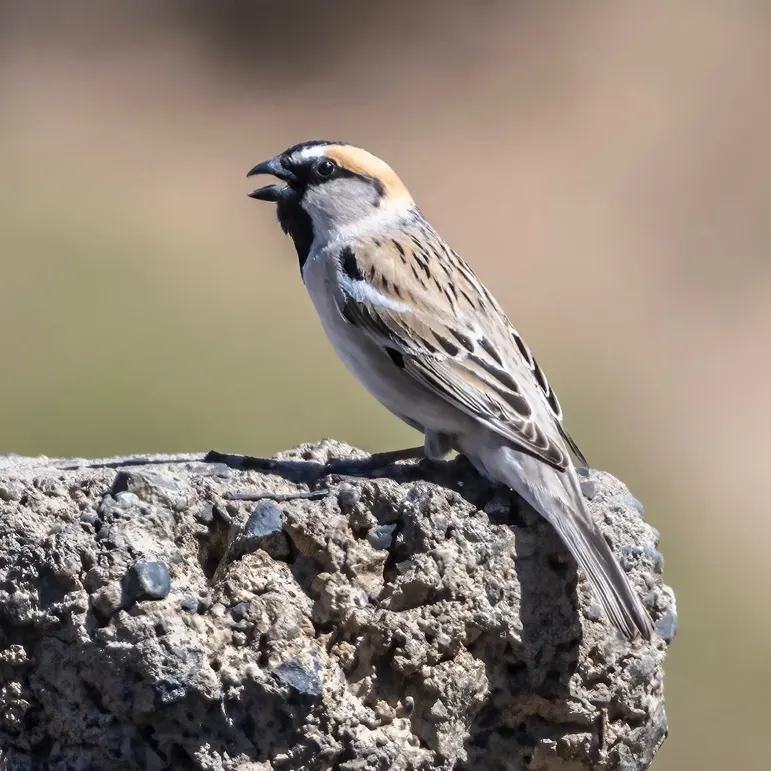
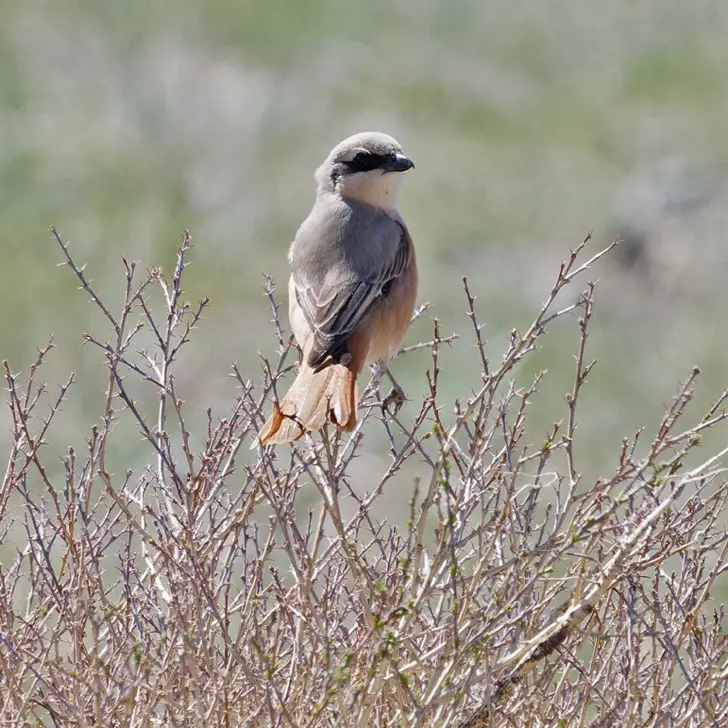
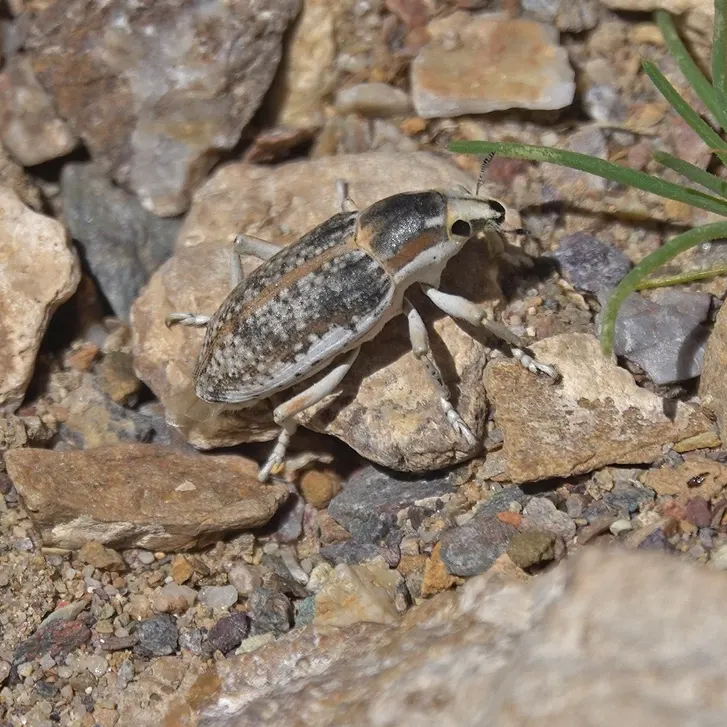
We departed the main wetlands area of the tour via Bogd and its new bridge over the Tuin River and headed south into drier areas of the Gobi. A Little Owl perched on an isolated building provided early interest on our long journey. Lunch was taken at White Cave in Bayanhongor which is mooted as being the birthplace of humankind with relics discovered here dating back 750,000 years. For the second year running the Eurasian Eagle Owl here preferred to stay incognito. A weevil in the guise of a miniature Pachyrhinosaurus was later identified as Conorhynchus conirostris not to be confused with Anteater Catfish Conorhynchos conirostris of Brazil. As we transversed the Gobi Desert a couple of arid specialties were added in the shape of ‘Steppe’ Grey Shrike and Saxaul Sparrow. For the sparrows we checked in at a few known waterholes, the majority were dry – eventually at a raised concrete well we found several – they descended at least three metres to reach the water within. We were encouraged by the erected signs asking for the Saxaul Haloxylon ammodendron to be protected – not to be used for firewood – and explaining its relatively restricted range, a belt stretching west to east through Kazakhstan and Mongolia.
We saw many Domestic Bactrian Camel Camelus bactrianus along the way. The calving season appeared almost complete with many calves being corralled and most of the gits appeared to have given birth. At one point it seemed that Tumen was negotiating the purchase of a calf, we wondered what they tasted like. Camel shearing season was also in full swing, big business, with the hair having many uses and a major export commodity from Mongolia. As well as the traditional uses making clothing, rugs, or blankets, the properties of the hair allow for many other applications, including press cloths employed in extracting oil from oilseeds. As with the other Even-toed Ungulate herds roaming the plains here, we marvelled at how they are managed whilst at the same time baffled as to how the owners maintain track of the wandering herds. There is probably a hybrid traditional and hi-tech system in place.
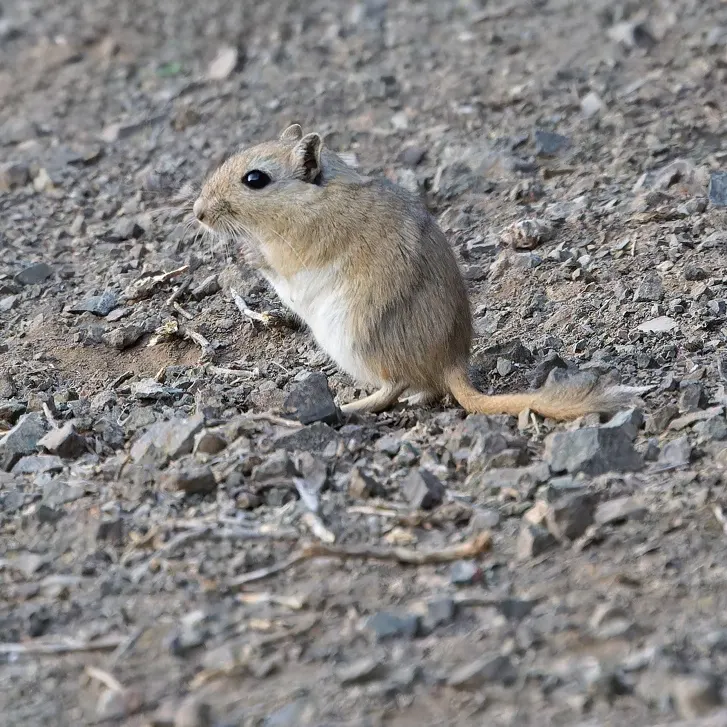
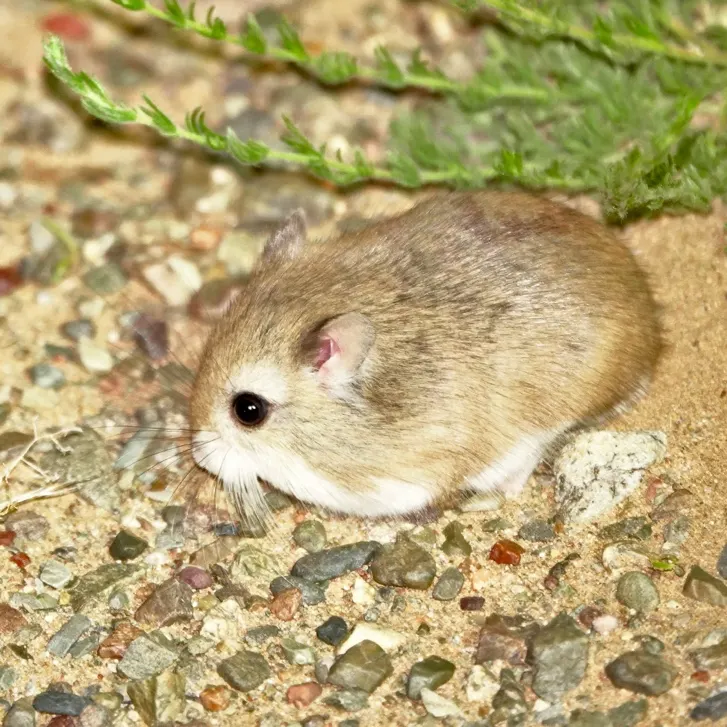
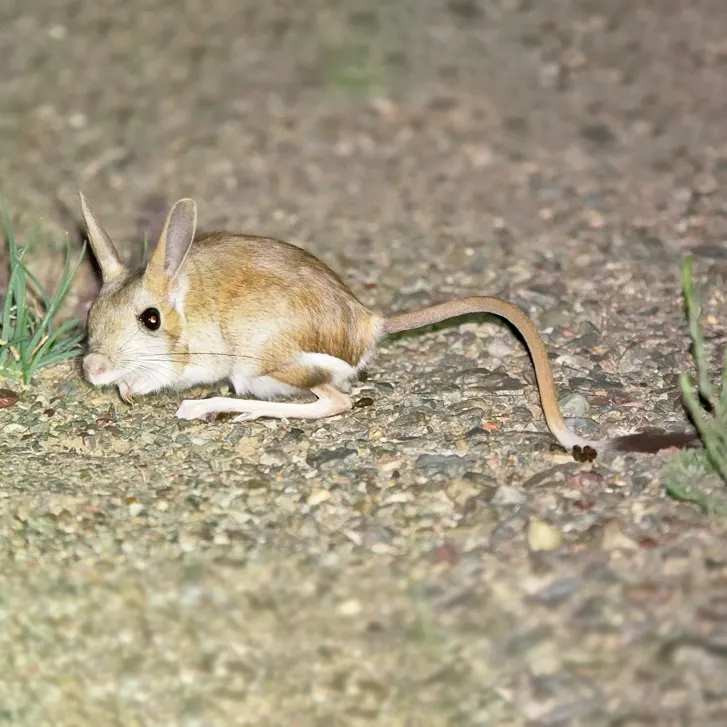
We meandered our way to the popular Erdene Tourist Camp where hot showers awaited – the tracks were indistinct because of the rains during July to September last year and took quite some following. We found time for a night drive and walk and were rewarded with Desert Hamster, Hairy-footed Jerboa, and Mid-day Gerbil, with its white claws, at midnight, amongst others.
We spent the next early morning in the shadow of the immensely impressive Khongoryn Els sand dunes. The dunes themselves cover more than 965 km 2 and are within the Gobi Gurvansaikhan National Park, the largest national park in Mongolia. Almost 1,000 Pallas’s Sandgrouse filled the skies, they were a sight to behold. We recommenced our journey through the Gobi and were pleased to find a small group of Asiatic Wild Ass, known locally as Khulan, in the heat haze. The family band of ass included a mare with a small foal and several boisterous stallions. Rather closer was the Goitered Gazelle fawn that was well spotted before it disappeared under the 4 x 4. Additional desert interest came in the form of more Desert Wheatear and Desert Warbler; however, the best was a second helping of Mongolian Ground-Jay – a nesting pair with the exposed nest placed smack bang on top of a Mongolian Almond Prunus mongolica .
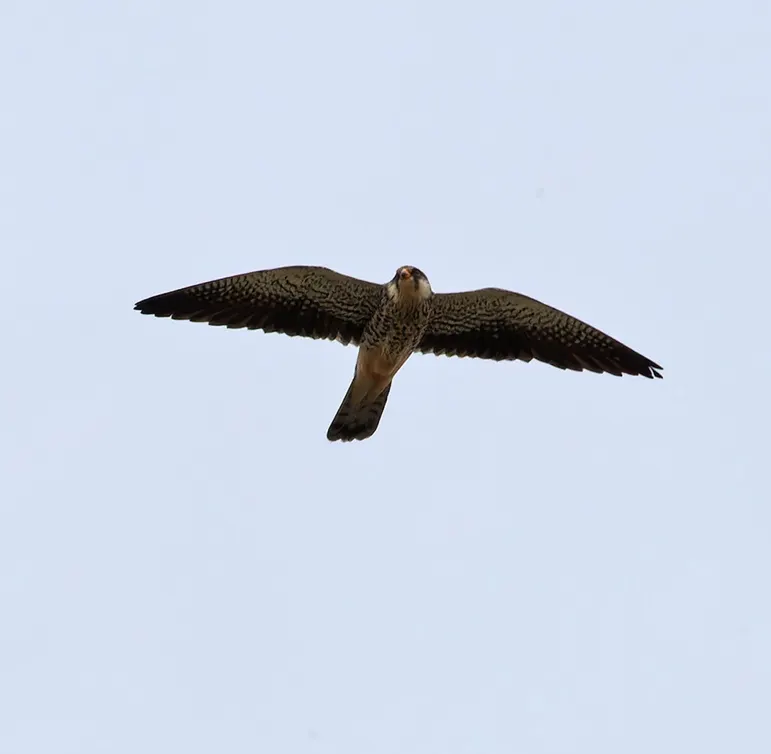
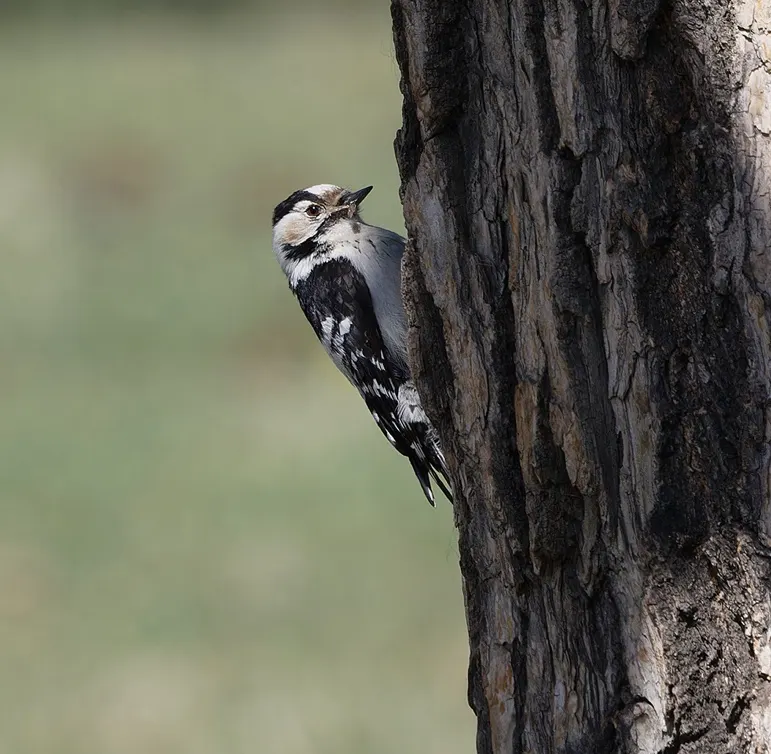
Lesser Spotted Woodpecker and Amur Falcon © Alan Tate
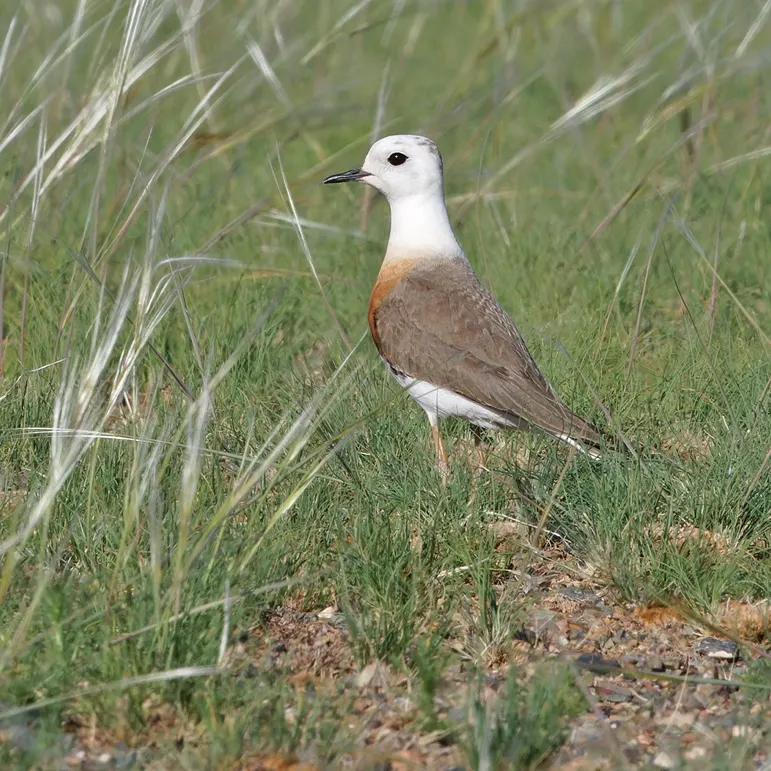
We passed through a gorge leaving the desert behind and emerging in steppe. The gorge held welcome Godlewski’s Bunting and many Mongolian Finch coming to drink. The steppe, well, the steppe is home to another tour highlight. The ever-enthusiastic Derek is credited with spotting an absolutely gorgeous Oriental Plover in breeding dress. We spent many minutes observing it at ever decreasing distance. We had discussed this species more than any other since the first day and it did not disappoint.
Bulagtai ‘Spring’ Steppe is home to the earliest tourist camp in Mongolia, now derelict, and several plantations which act as migrant traps. We camped adjacent to one such plantation and visited another – a few migrants were found, notably Eurasian Golden Oriole, White-crowned Penduline-tit, and Eyebrowed Thrush.
We spent two mornings optimistically scanning for Uncia , sadly our efforts were rewarded with locating pug marks only.
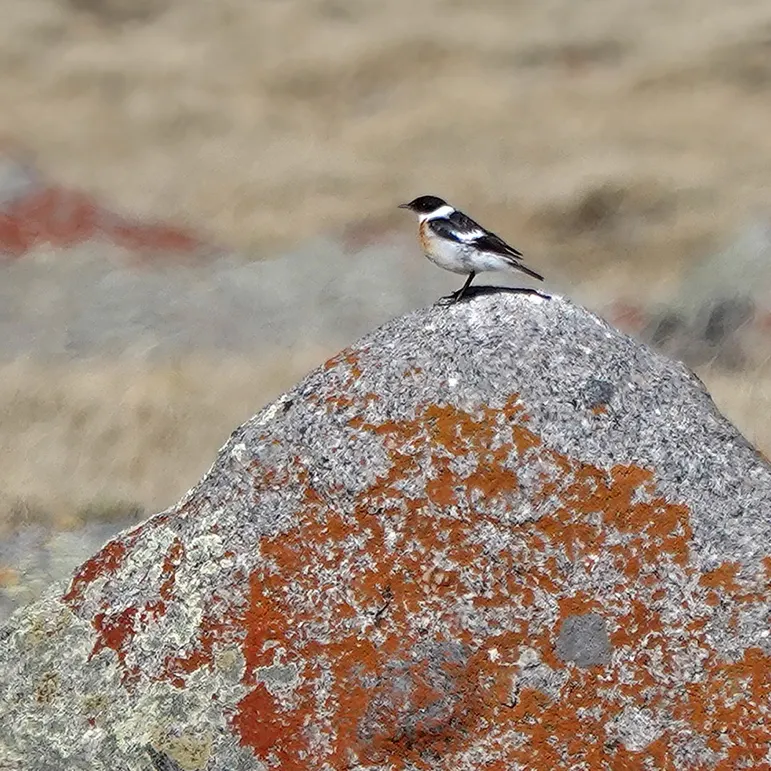
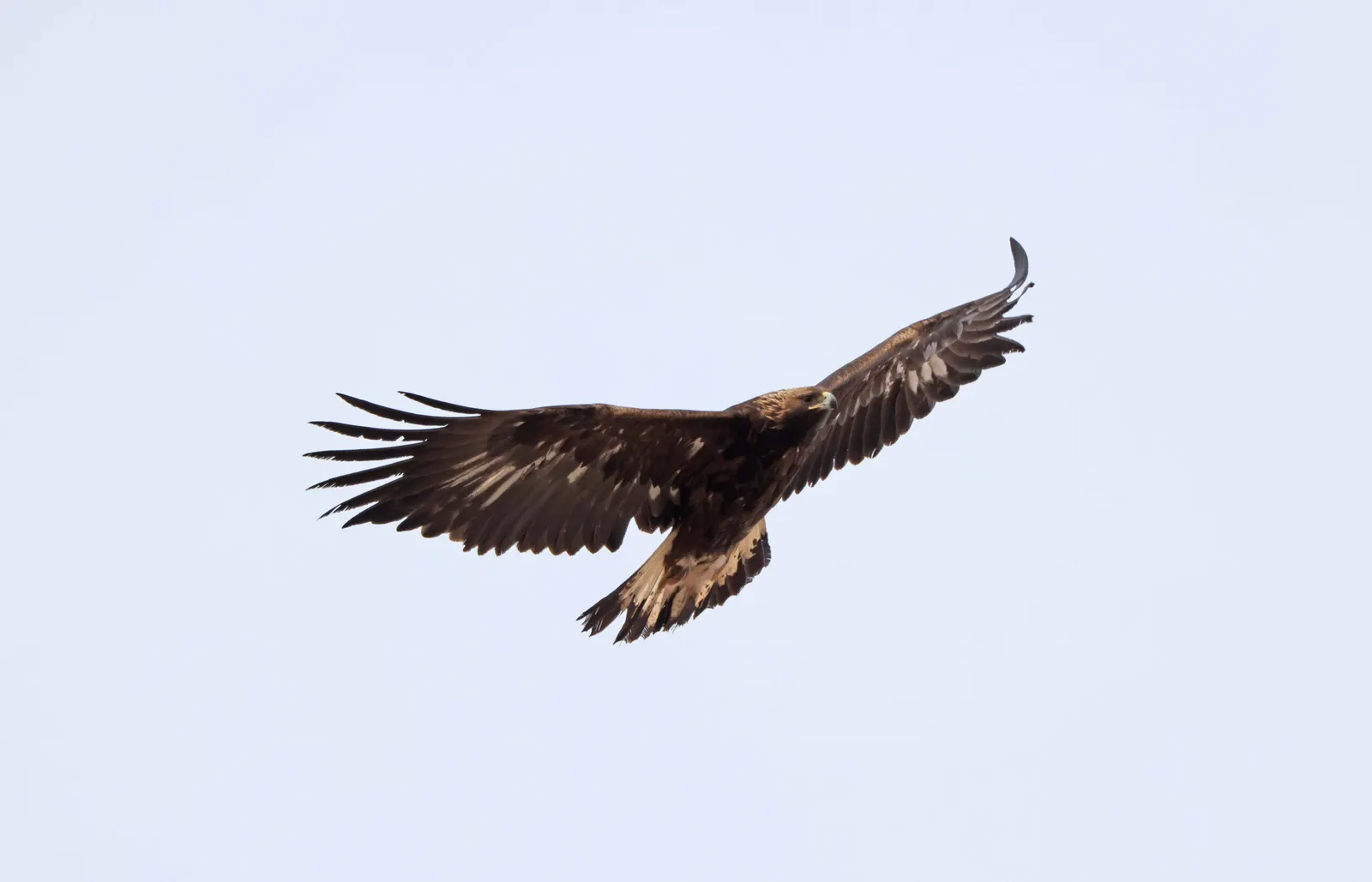
One afternoon we visited the touristically popular Yolyn Am – we saw more tourists in this one afternoon than we did for the whole of the remainder of the tour. It is however an established spot on the route and never disappoints. Not only is the scenery spectacular, but the birds are confiding too. The White-winged Snowfinch are fearless here. This is also the spot for the local beautiful rosefinches which have led to some taxonomic debate, as they are variably considered either Himalayan of Chinese. We have decided these are Chinese Beautiful Rosefinch on visual and vocal characters. This is a great gorge for raptors with both Bearded Vulture and Golden Eagle passed overhead – but these were easily outnumbered by Himalayan Griffon. Further down the valley from a certain vantage point we were privileged to view a roosting congregation of over 70. Many menacing hunched figures, one could imagine these being another possible origin of the mythical Gryphon whose origins are believed to lead back to Asia, rather than being inspired by observations of fossilized dinosaur remains.
At different points we also found Barred Warbler, two Wallcreeper which were not suffering from acrophobia, and several mammals: Pallas’s Pika outnumbered Daurian Pika, numerous Mongolian Gerbil, a single Red Fox, and a couple of trips of Siberian Ibex.
Eventually it was time for us to head back north. Our initial plan to return to Gorkhi-Terelj National Park was postponed, our main quarry there had not been reported – this turned out to be a good decision. The late arrival once again of Chinese Grasshopper Warbler was not confirmed until 9 th June this year.
Our first stop was not too far away, in the centre of Dalanzadgad we were hopeful that a small local population was active. Following the begging calls of a juvenile finch we soon located a recently fledged Desert Finch, alone in the canopy. Whilst we watched its parents flew in and satisfied its hunger – subsequently all three flew off strongly and out of sight. There were few migrants here, but a Chinese Pond Heron was a surprise.
We did not stop too often on the way north but did note several raptors including Booted Eagle and Long-legged Buzzard – our last Demoiselle Crane too.
We ended the day camping in the spectacularly rugged terrain of Baga Gazariin Chuluu, where the following morning a small herd of Argali were our final impressive mammal of the tour.
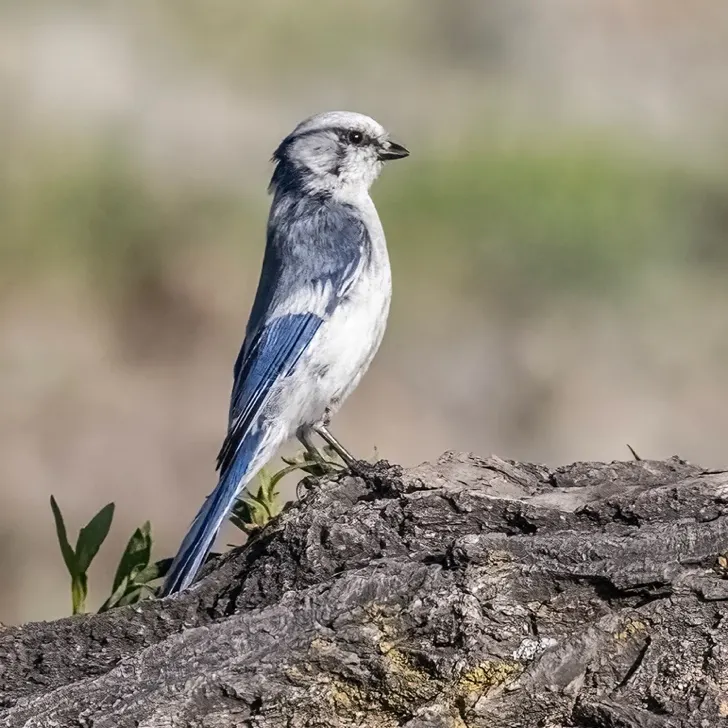
We concluded our tour in the familiar environs of our hotel close to Ulaanbaatar, three main targets for the guys who arrived on the first morning were our priority. Fortunately we managed to prize all of them out at a single riverside spot. All stunning, all confiding – Azure Tit, Siberian Long-tailed Rosefinch, and White-crowned Penduline-tit. This area really is birdy, also around were Lesser Spotted Woodpecker, Amur Falcon, and White-cheeked Starling. Maybe the biggest cheer was raised when Jon picked up a local registration plate that must have shook off a vehicle along this bouncy track – it was a souvenir a certain plover finder had been searching for all tour! All in all a great climax to a most enjoyable tour.
We had covered an auspicious 4,444km on our grand tour, amassing 231 species of birds and 27 species of mammal, met new friends, and of course enjoyed many breathtaking experiences together in this vast, fascinating country.
Birds of the tour
1. Black-billed Capercaillie
2. Oriental Plover
3. Relict Gull
4. Baer’s Pochard
5. Azure Tit
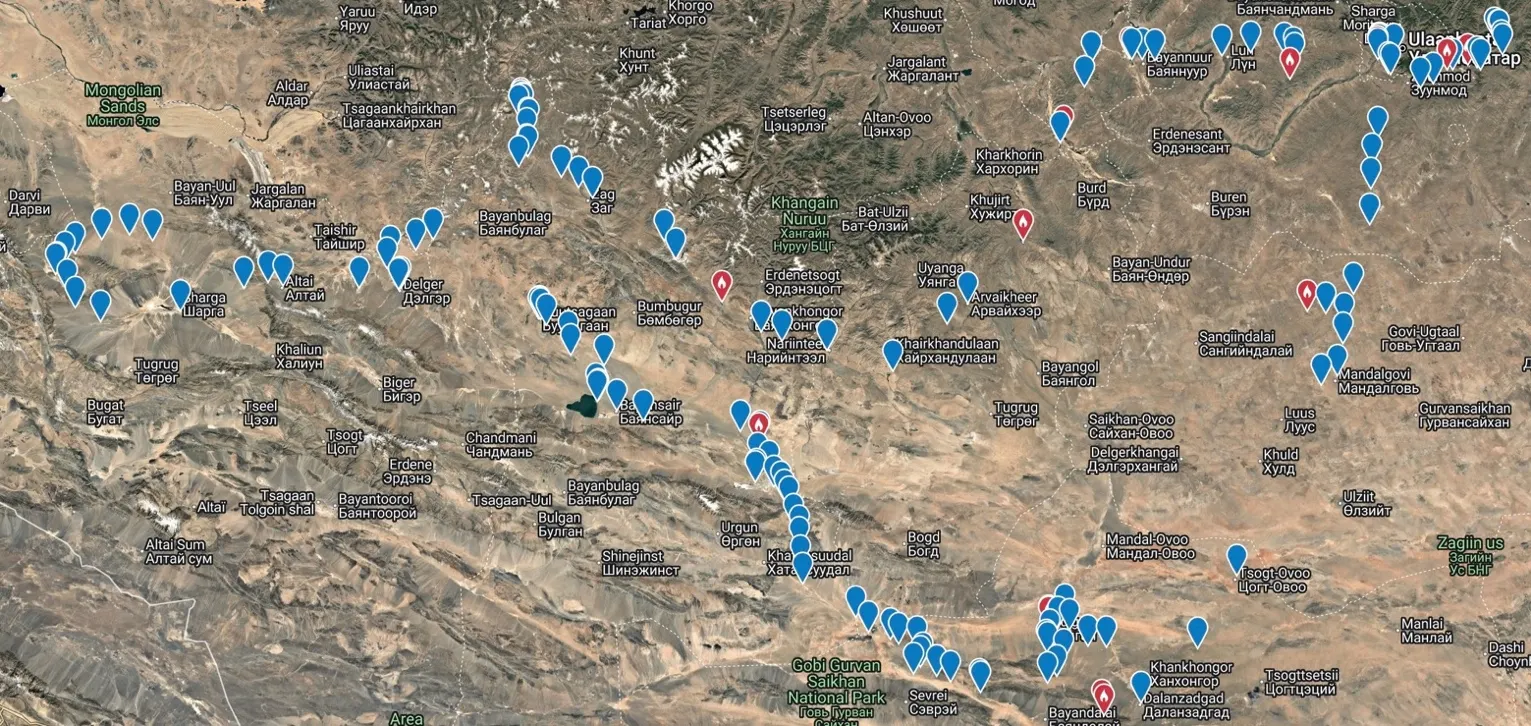
The route of our grand Mongolia tour courtesy of eBird Trip Report
Mongolian Lark and Hodgson’s Bushchat
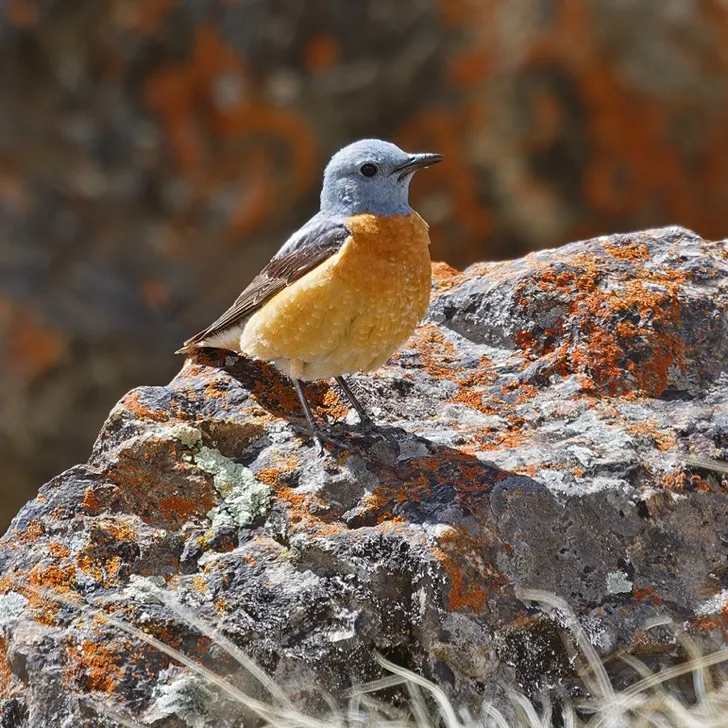
Common Rock Thrush and Asian Desert Warbler © Alan Tate
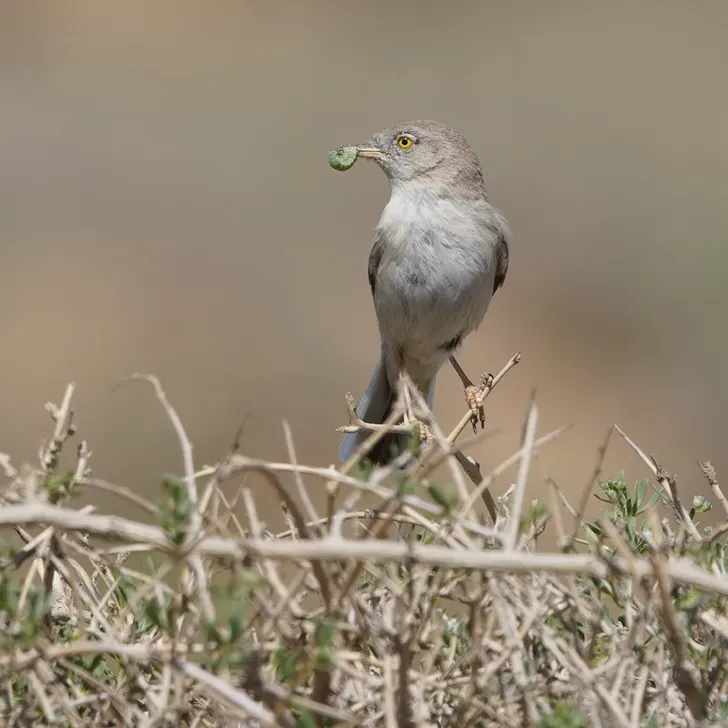
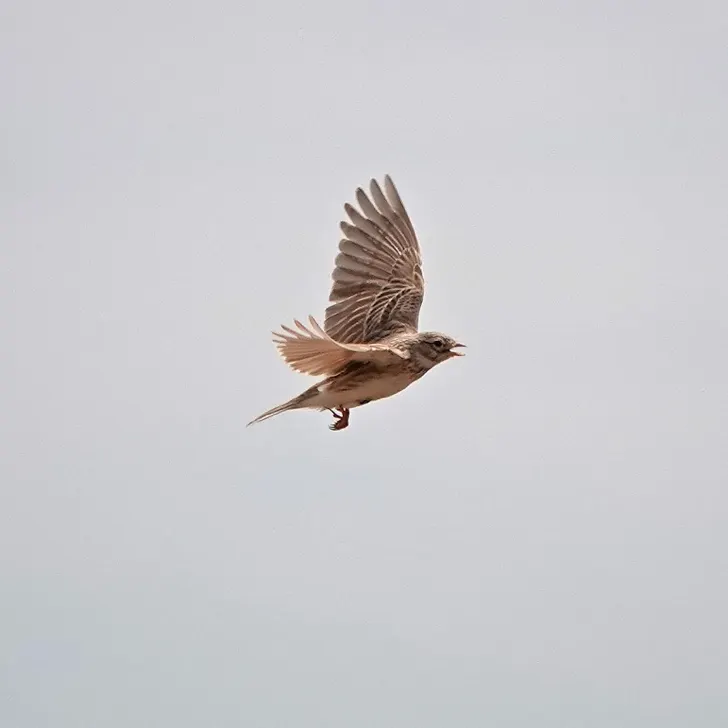
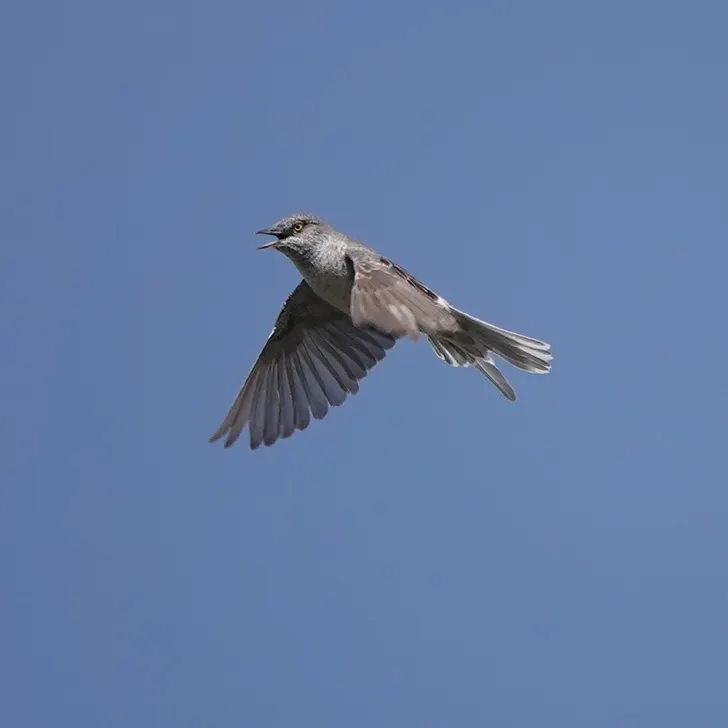
Asian Short-toed Lark and Barred Warbler © Martin Kennewell
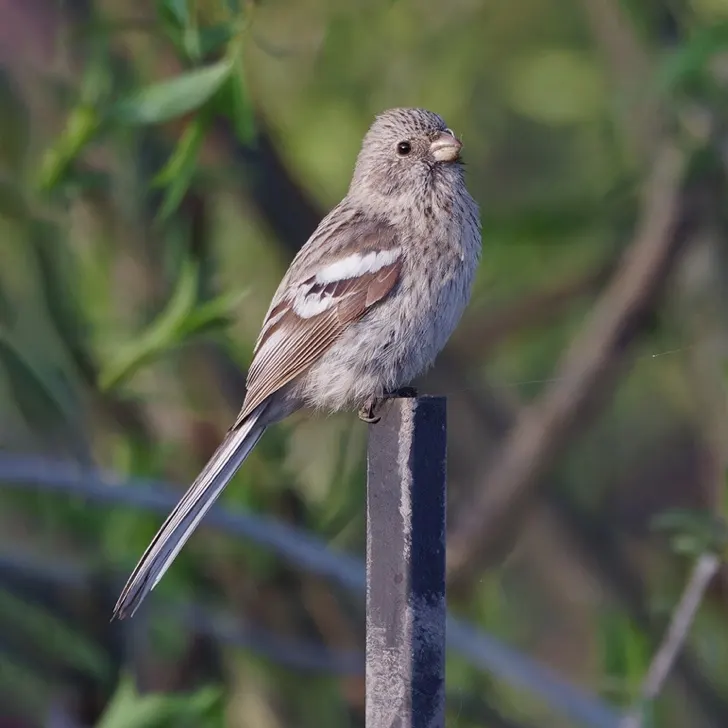
Siberian Long-tailed Rosefinch (female and male) © Alan Tate
Azure Tit © Peter Post and Bearded Reedling © Martin Kennewell
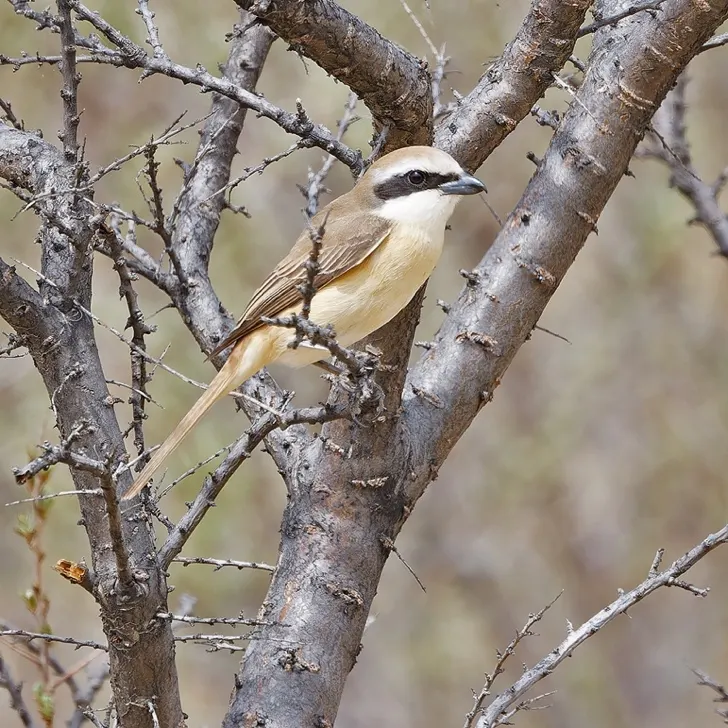
Brown Shrike and Isabelline Shrike © Alan Tate
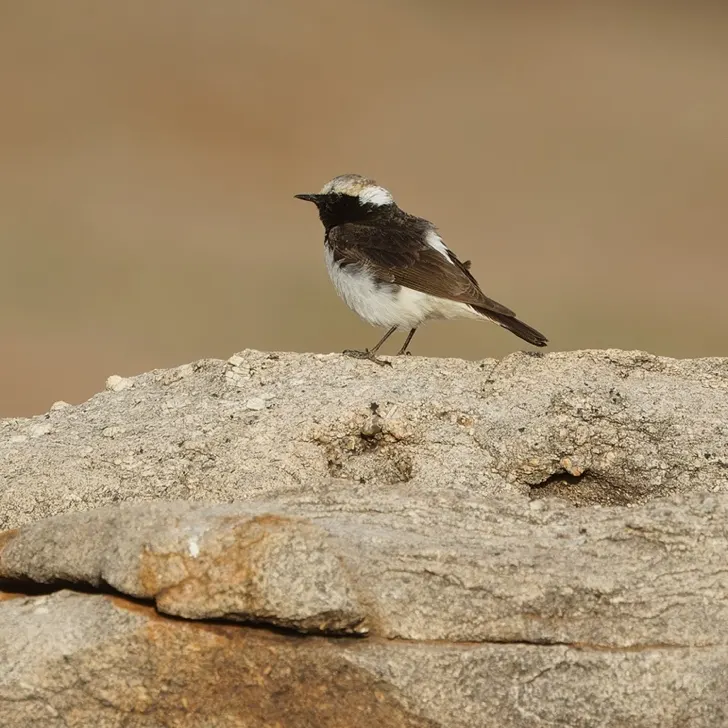
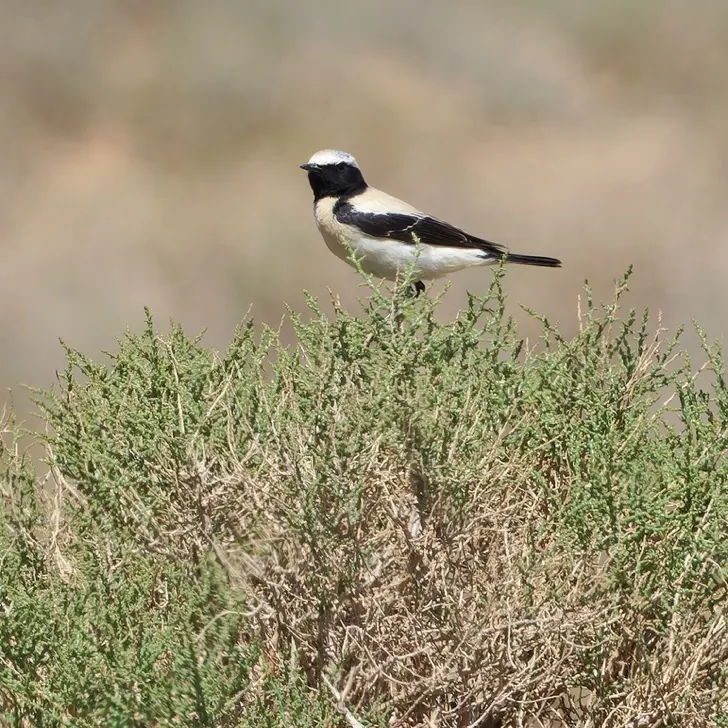
Pied Wheatear and Desert Wheatear © Alan Tate
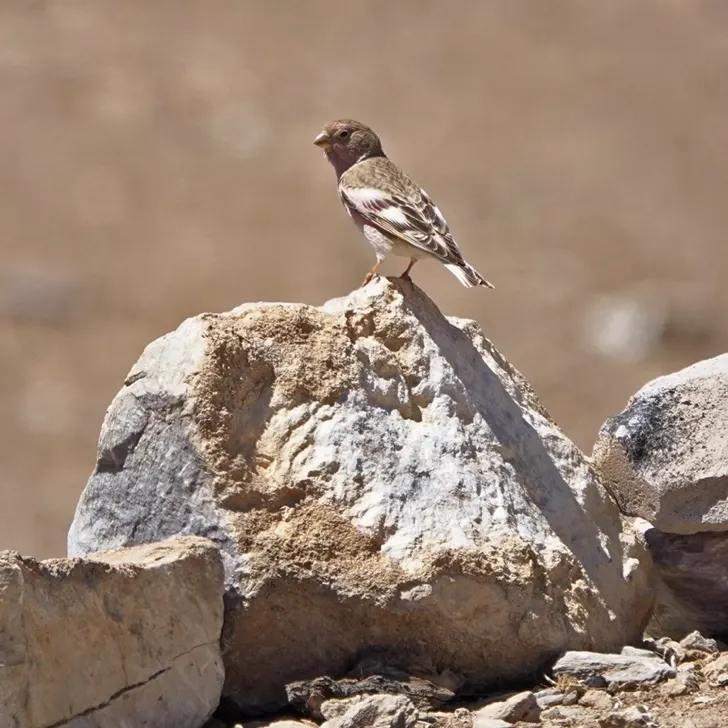
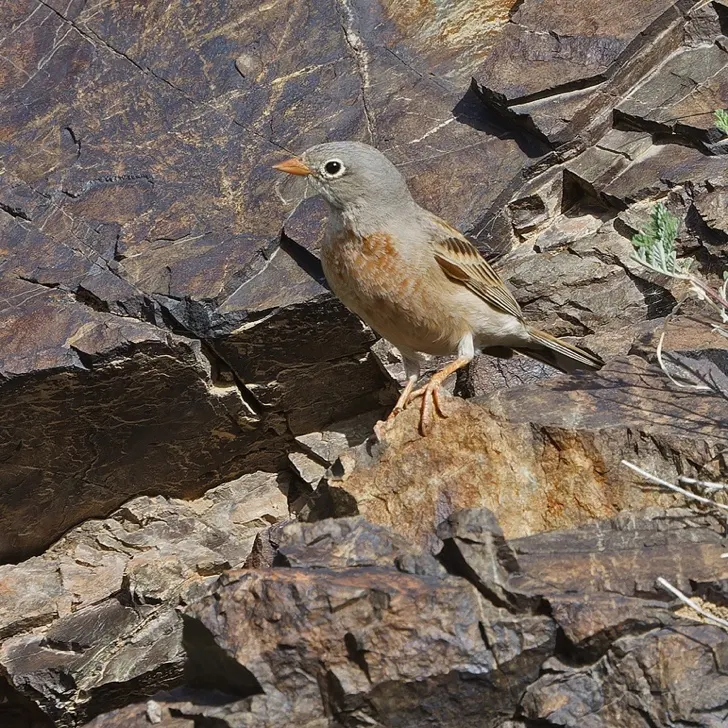
Mongolian Finch © Martin Kennewell and Grey-necked Bunting © Alan Tate
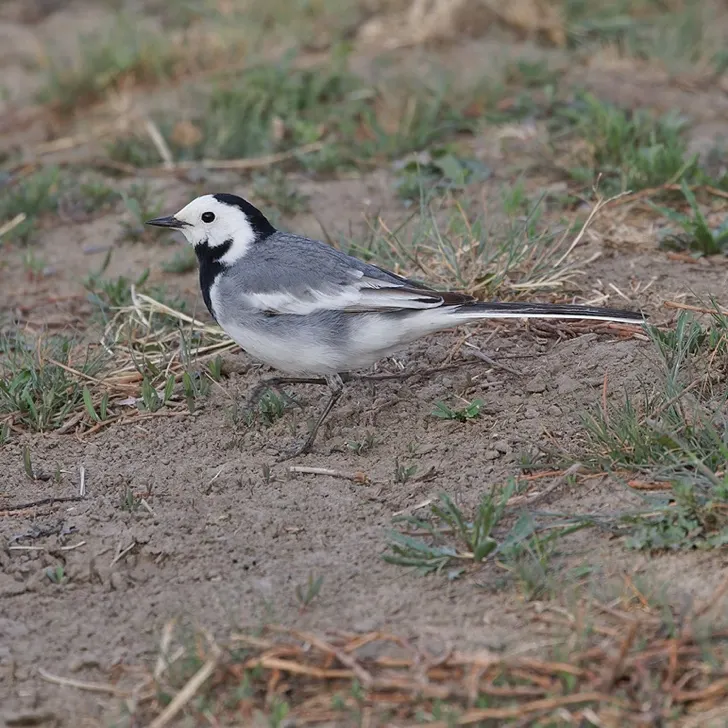
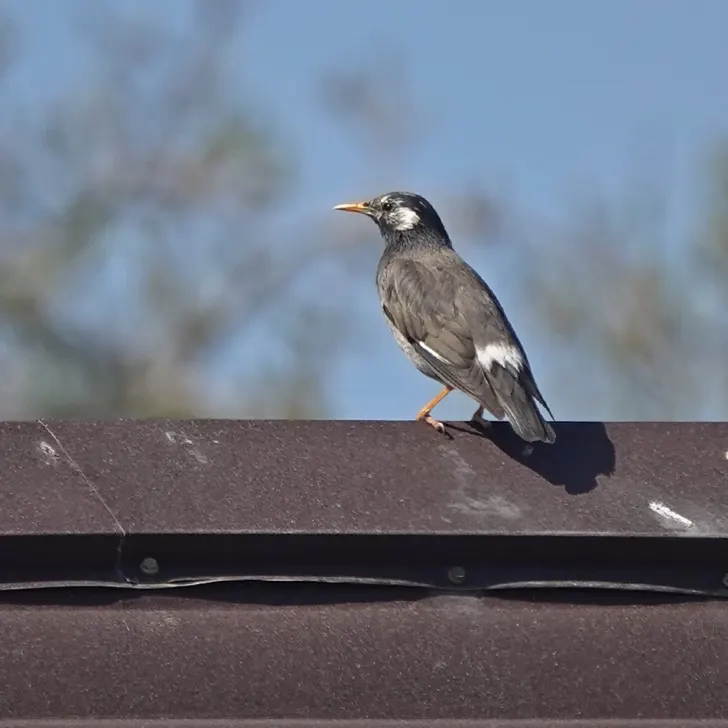
White Wagtail ( baicalensis ) © Alan Tate and White-cheeked Starling © Martin Kennewell
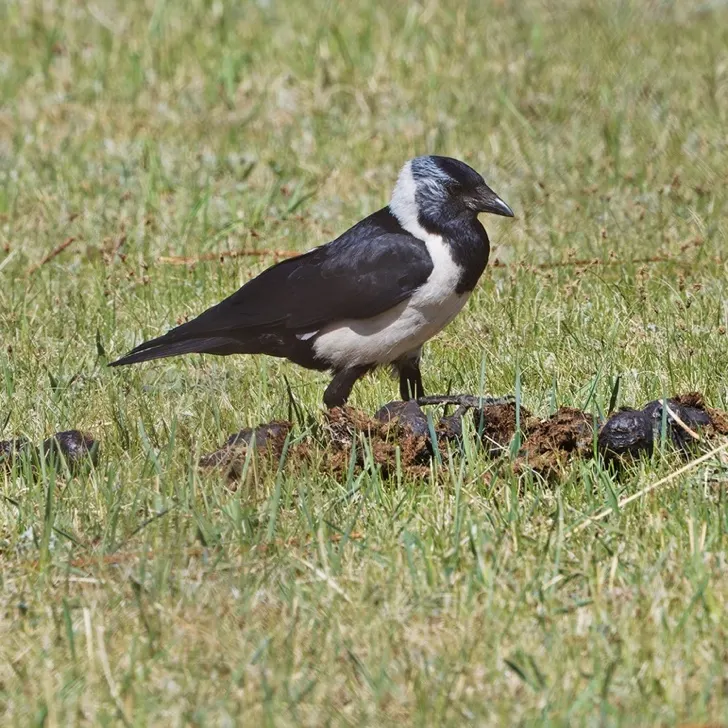
Daurian Jackdaw and Desert Finch © Martin Kennewell
Pallas’s Reed Bunting and Asian Brown Flycatcher © Alan Tate
Demoiselle Crane © Peter Post and Collared Flycatcher © Tumendelger Khumbaa
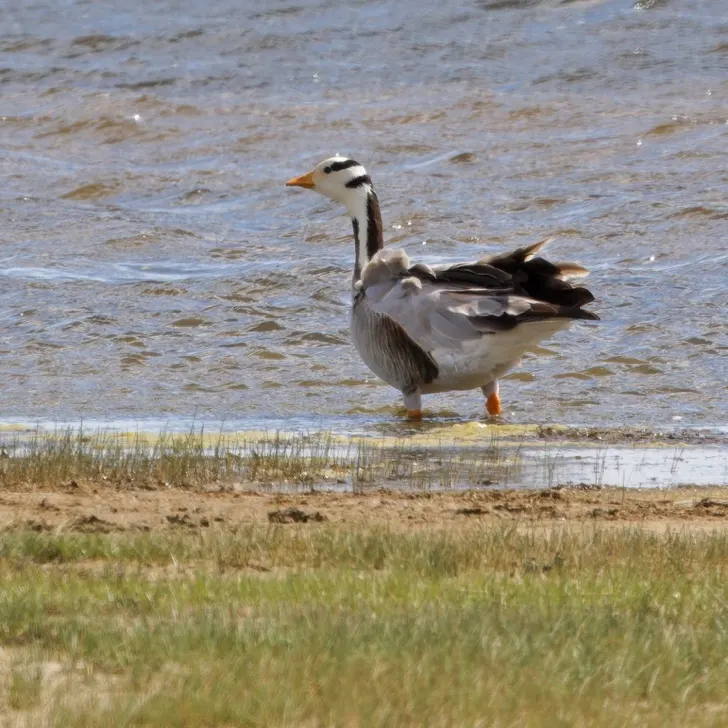
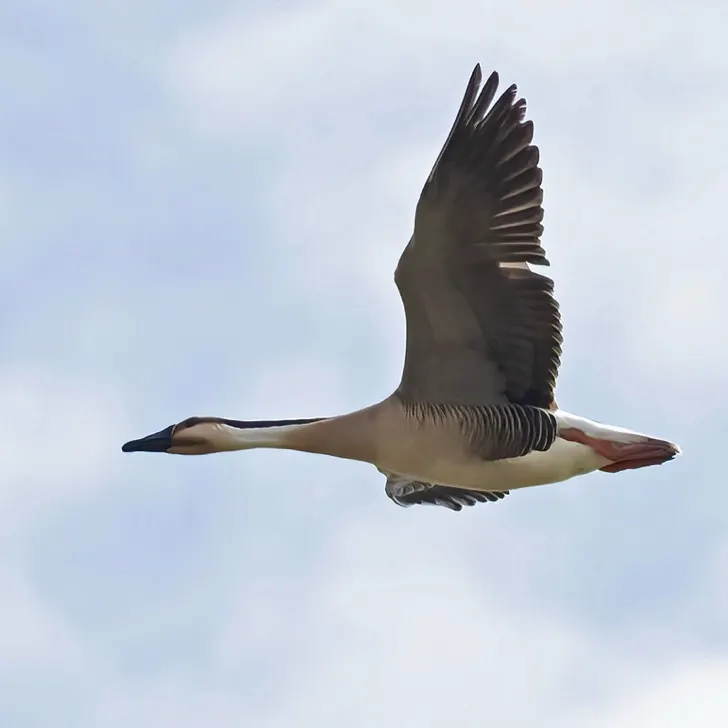
Bar-headed Goose © Alan Tate and Swan Goose © Peter Post
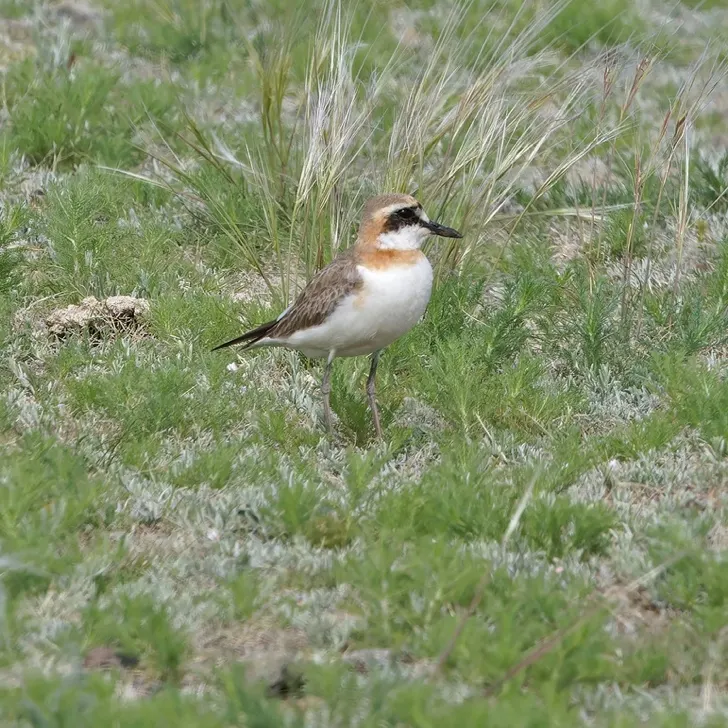
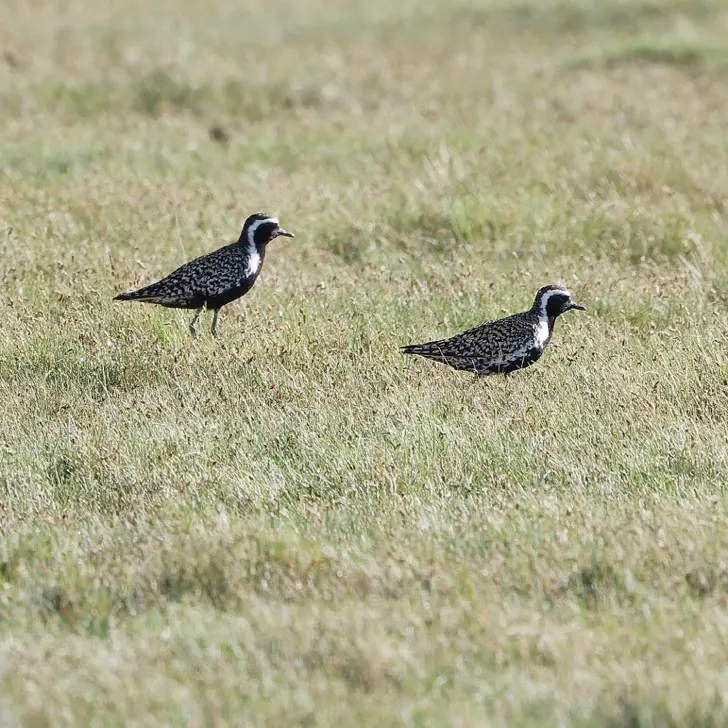
Greater Sand Plover and Pacific Golden Plovers © Alan Tate
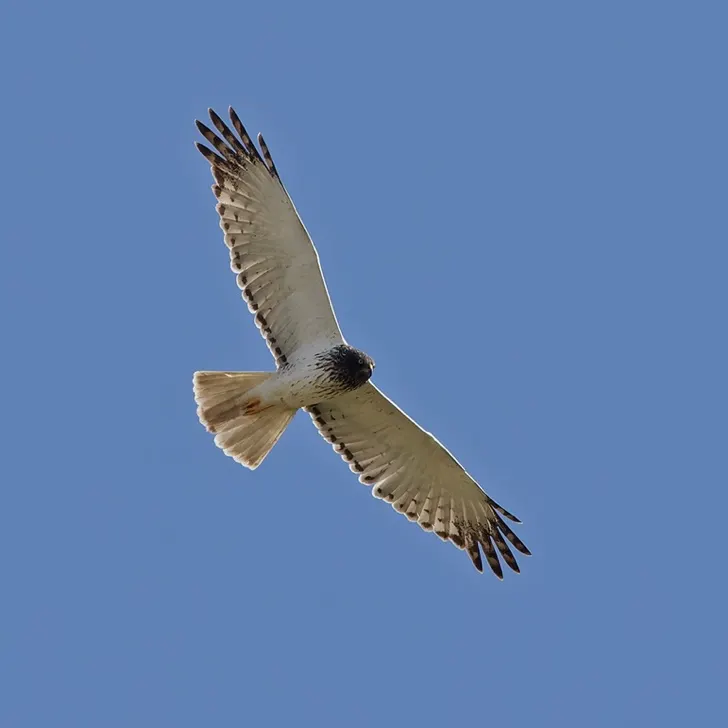
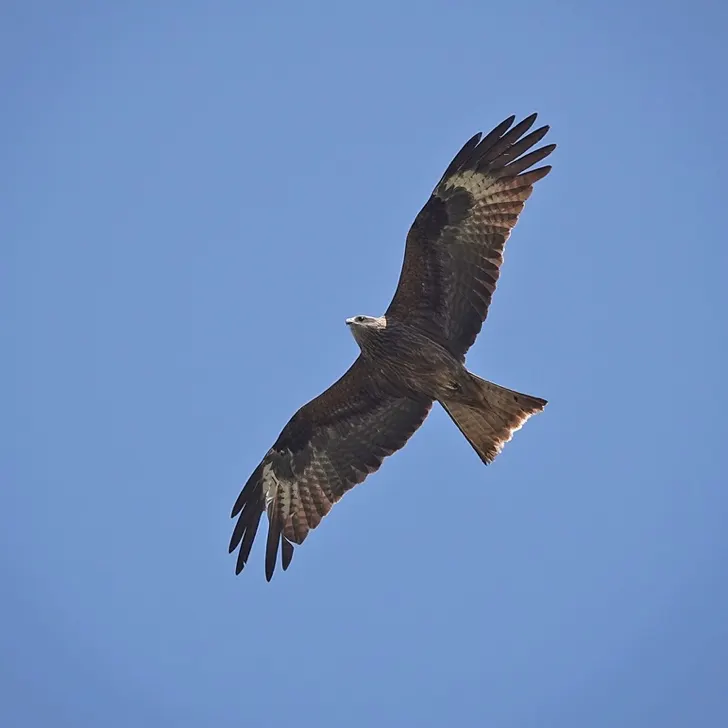
Eastern Marsh Harrier © Alan Tate and Black Kite © Martin Kennewell
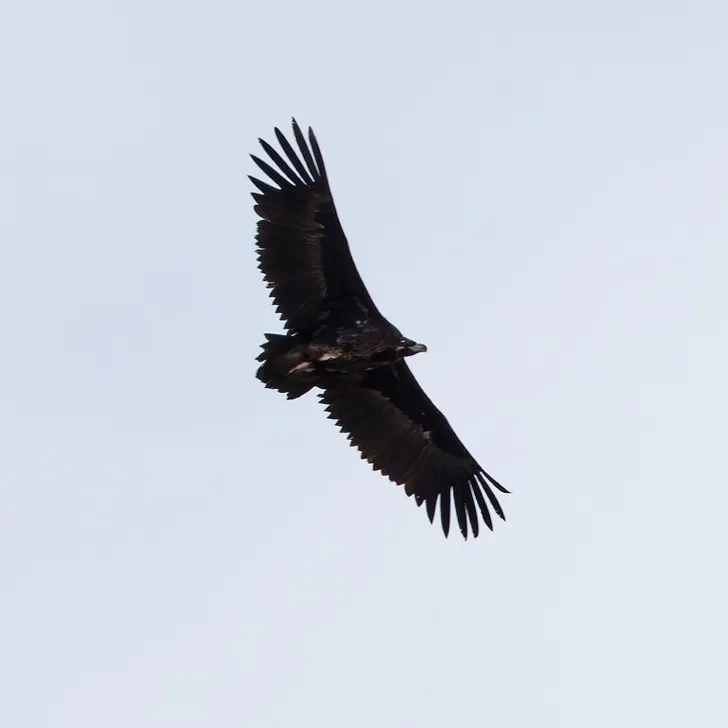
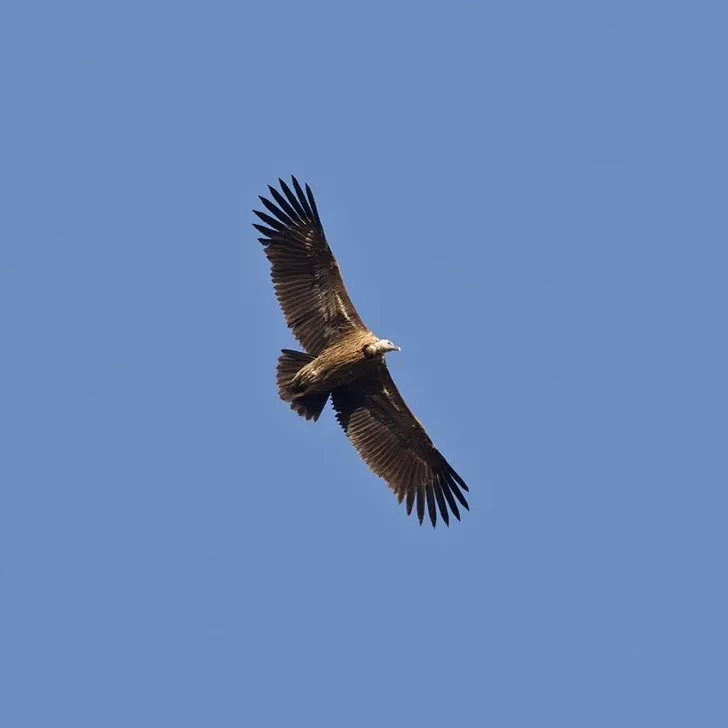
Cinereous Vulture and Himalayan Griffon © Alan Tate
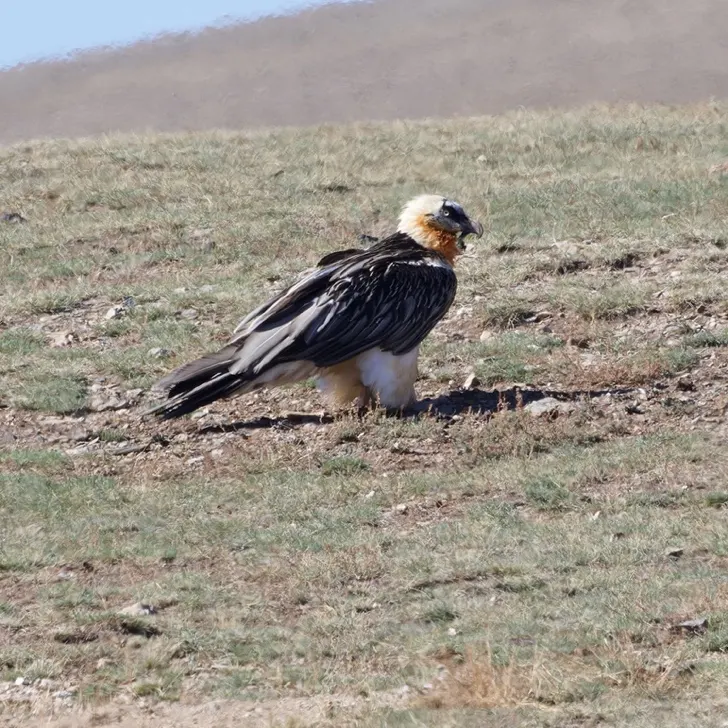
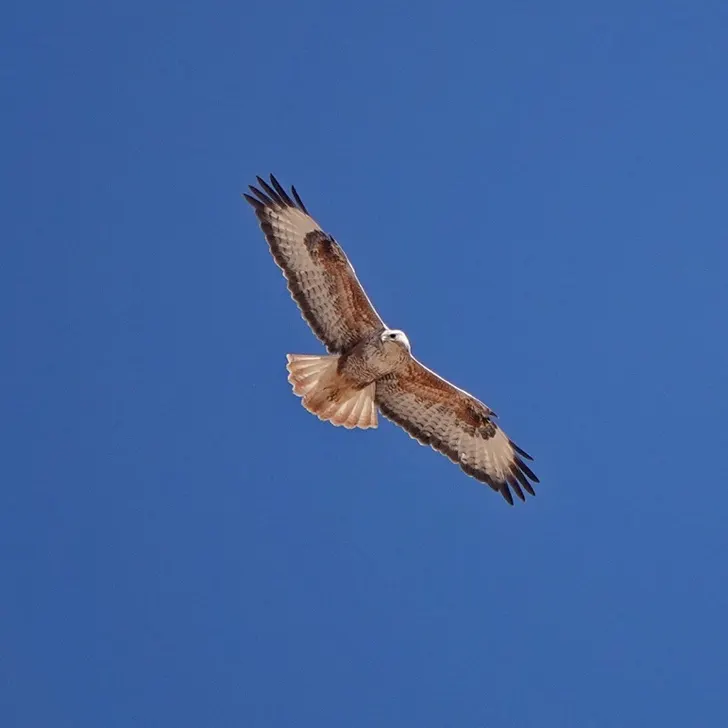
Lammergeier © Alan Tate and Long-legged Buzzard © Martin Kennewell
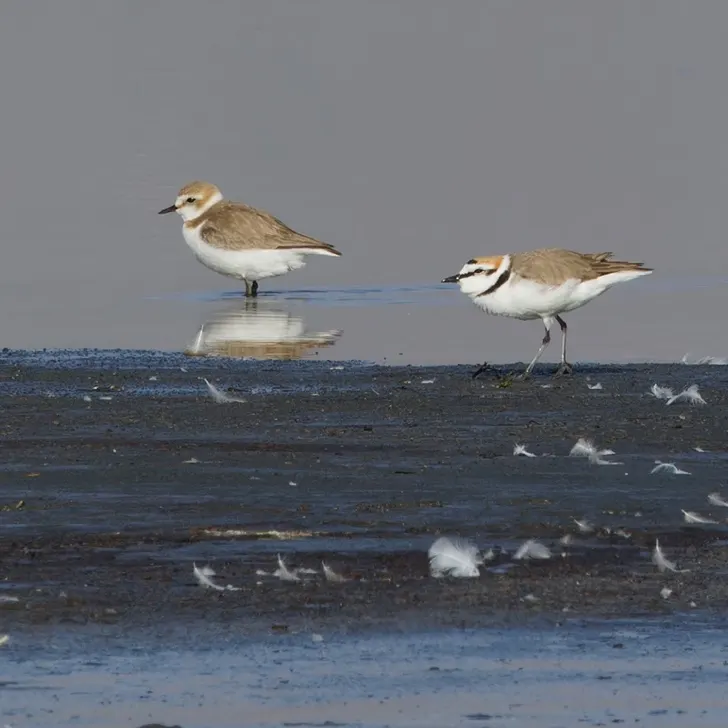
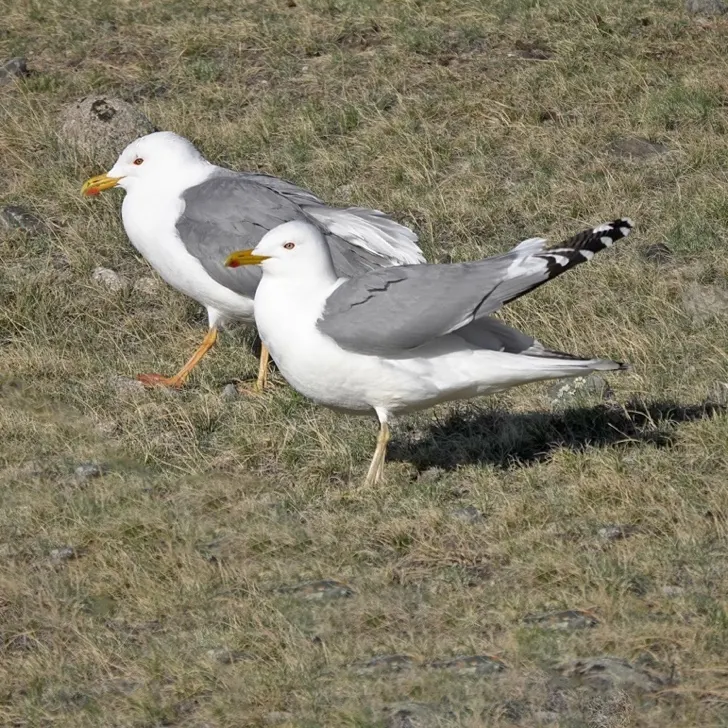
Kentish Plovers © Alan Tate and Mongolian Gulls © Martin Kennewell
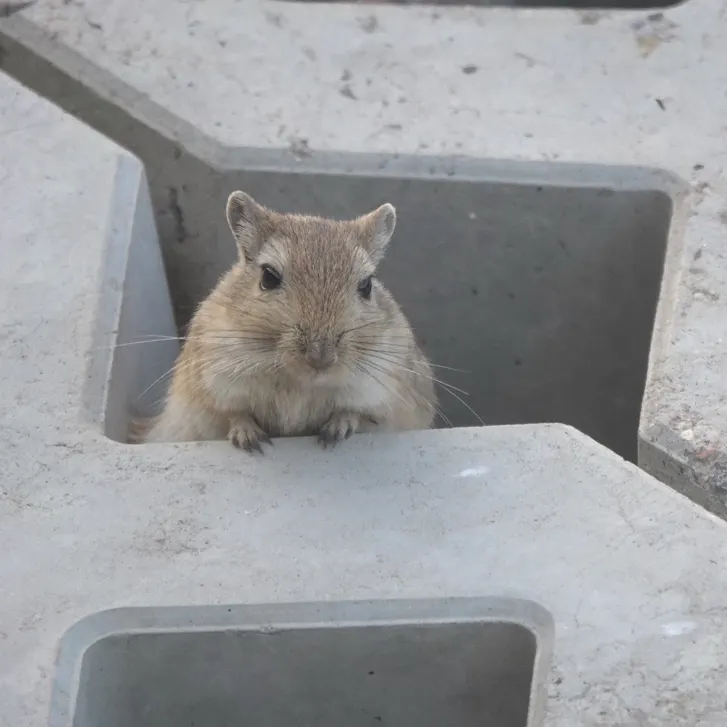
Midday Gerbil © Alan Tate and Mongolian Gerbil © Martin Kennewell
Brandt’s Vole © Alan Tate and Desert Hamster © Martin Kennewell
Siberian Gerboa and Mongolian Gazelle © Martin Kennewell
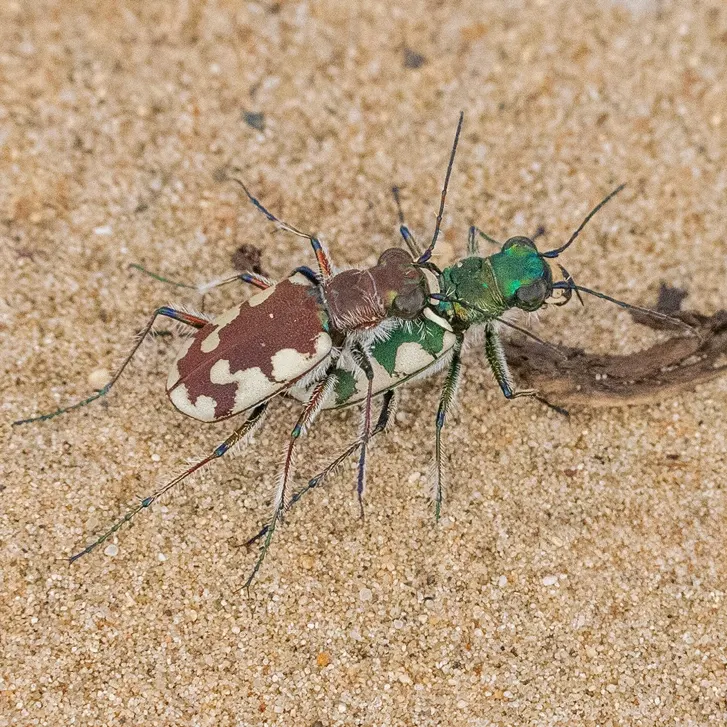
Littoral Tiger Beetle © Peter Post and Conorhynchus conirostris © Martin Kennewell
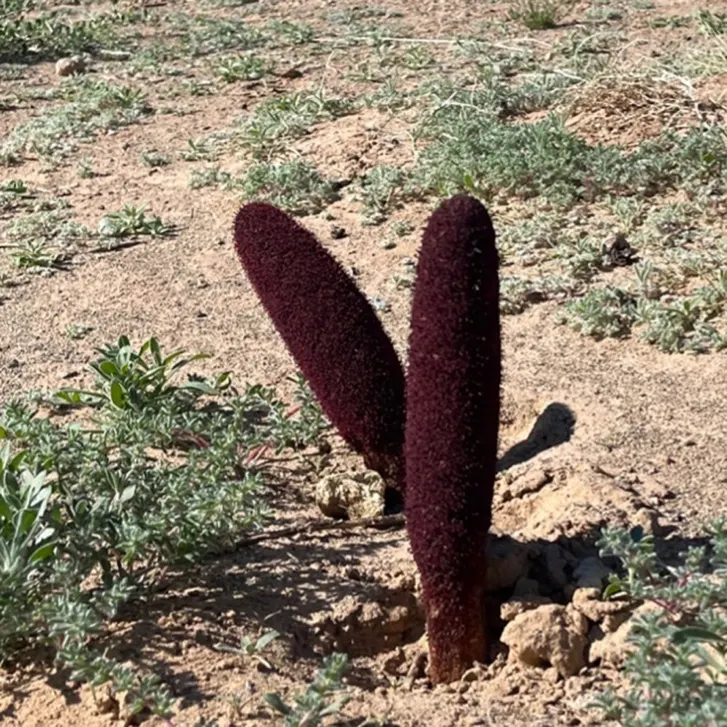
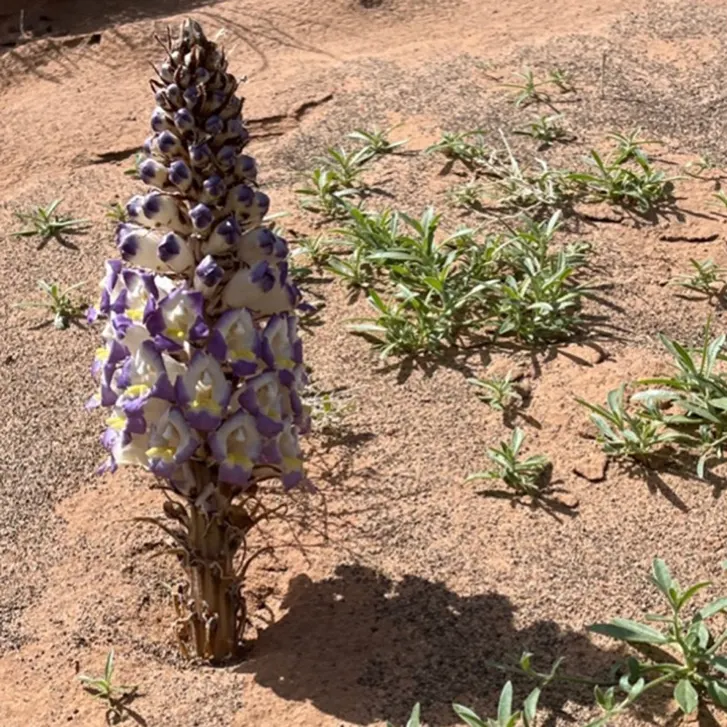
‘Broomrape’ Cistanche deserticola and ‘Red Thumb’ Cynomorium songaricum © Martin Kennewell
Systematic List
ANSERIFORMES: Anatidae
Bar-headed Goose Anser indicus
Greylag Goose Anser anser
Swan Goose Anser cygnoides
Mute Swan Cygnus olor
Bewick’s / Tundra Swan Cygmus columbianus bewickii
Whooper Swan Cygnus cygnus
Common Shelduck Tadorna tadorna
Ruddy Shelduck Tadorna ferruginea
Baikal Teal Sibirionetta formosa
Garganey Spatula querquedula
Northern Shoveler Spatula clypeata
Gadwall Mareca strepera strepera
Falcated Duck Mareca falcata
Eurasian Wigeon Mareca penelope
Mallard Anas platyrhynchos platyrhynchos
Eastern Spot-billed Duck Anas zonorhyncha
Northern Pintail Anas acuta
Eurasian Teal Anas crecca
Red-crested Pochard Netta rufina
Common Pochard Aythya ferina
Baer’s Pochard Aythya baeri
Ferruginous Duck Aythya nyroca
Tufted Duck Aythya fuligula
Stejneger’s Scoter Melanitta stejnegeri
Common Goldeneye Bucephala clangula clangula
Goosander / Common Merganser Mergus merganser merganser
Mandarin Duck Aix galericulata
CAPRIMULGIFORMES: Caprimulgidae
European Nightjar Caprimulgus europaeus europaeus
GALLIFORMES: Phasianidae
Black-billed Capercaillie Tetrao urogalloides stegmanni
Willow Ptarmigan / Grouse Lagopus lagopus kozlowae droppings
Altai Snowcock Tetraogallus altaicus
Chukar Partridge Alectoris chukar dzungarica
Daurian Partridge Perdix dauurica dauurica
GAVIIFORMES: Gaviidae
Black-throated Diver / Loon Gavia arctica arctica
PODICIPEDIFORMES: Podicipedidae
Great Crested Grebe Podiceps cristatus cristatus
Slavonian / Horned Grebe Podiceps auritus auritus
Black-necked / Eared Grebe Podiceps nigricollis nigricollis
CICONIIFORMES: Ciconiidae
Black Stork Ciconia nigra
PELECANIFORMES: Threskiornithidae
Eurasian Spoonbill Platalea leucorodia leucorodia
PELECANIFORMES: Ardeidae
Chinese Pond Heron Ardeola bacchus
Grey Heron Ardea cinerea cinerea
Great Egret Ardea alba alba
PELECANIFORMES: Pelecanidae
Dalmatian Pelican Pelecanus crispus
SULIFORMES: Phalacrocoracidae
Great Cormorant Phalacrocorax carbo sinensis
ACCIPITRIFORMES: Accipitridae
Bearded Vulture / Lammergeier Gypaetus barbatus barbatus
Himalayan Griffon / Vulture Gyps himalayensis
Cinereous / Monk Vulture Aegypius monachus
Booted Eagle Hieraaetus pennatus
Steppe Eagle Aquila nipalensis
Golden Eagle Aquila chrysaetos kamtschatica
Eurasian Sparrowhawk Accipiter nisus nisus
Western Marsh Harrier Circus aeruginosus
Eastern Marsh Harrier Circus spilonotus
Black Kite Milvus migrans lineatus
White-tailed Eagle Haliaeetus albicilla
Upland Buzzard Buteo hemilasius
Long-legged Buzzard Buteo rufinus rufinus
Eastern Buzzard Buteo japonicus burmanicus
GRUIFORMES: Rallidae
Common Moorhen Gallinula chloropus chloropus
Eurasian Coot Fulica atra atra
GRUIFORMES: Gruidae
White-naped Crane Antigone vipio
Demoiselle Crane Grus virgo
Common Crane Grus grus
CHARADRIIFORMES: Recurvirostridae
Black-winged Stilt Himantopus himantopus
Pied Avocet Recurvirostra avosetta
CHARADRIIFORMES: Charadriidae
Northern Lapwing Vanellus vanellus
Pacific Golden Plover Pluvialis fulva
Grey Plover Pluvialis squatarola
Little Ringed Plover Charadrius dubius curonicus
Kentish Plover Anarhynchus alexandrinus alexandrinus
Greater Sand Plover Anarhynchus leschenaultii leschenaultii
Oriental Plover Anarhynchus veredus
CHARADRIIFORMES: Scolopacidae
Swinhoe’s Snipe / Pin-tailed Snipe Gallinago megala / stenura
Common Snipe Gallinago gallinago
Asian Dowitcher Limnodromus semipalmatus
Black-tailed Godwit Limosa limosa melanuroides
Eurasian Curlew Numenius arquata orientalis
Spotted Redshank Tringa erythropus
Common Redshank Tringa totanus
Marsh Sandpiper Tringa stagnatilis
Common Greenshank Tringa nebularia
Green Sandpiper Tringa ochropus
Wood Sandpiper Tringa glareola
Common Sandpiper Actitis hypoleucos
Ruddy Turnstone Arenaria interpres interpres
Red-necked Stint Calidris ruficollis
Sanderling Calidris alba alba
Little Stint Calidris minuta
Temminck’s Stint Calidris temminckii
Long-toed Stint Calidris subminuta
Dunlin Calidris alpina
Broad-billed Sandpiper Calidris falcinellus sibirica
Red-necked Phalarope Phalaropus lobatus
Terek Sandpiper Xenus cinereus
CHARADRIIFORMES: Laridae
Slender-billed Gull Chroicocephalus genei
Brown-headed Gull Chroicocephalus brunnicephalus
Black-headed Gull Chroicocephalus ridibundus
Relict Gull Ichthyaetus relictus
Pallas’s Gull Ichthyaetus ichthyaetus
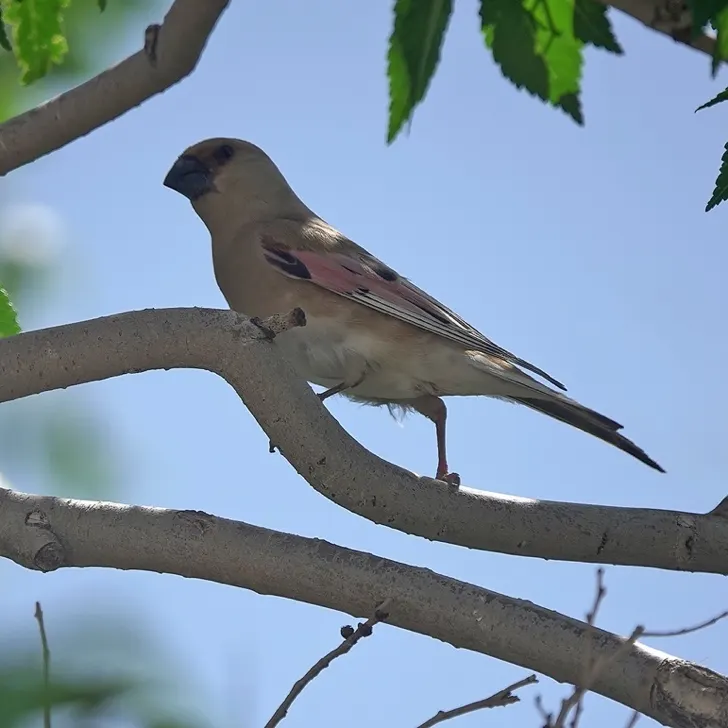
Mew / Common Gull Larus canus heinei
Mongolian [Vega] Gull Larus [vegae] mongolicus
Gull-billed Tern Gelochelidon nilotica nilotica
Caspian Tern Hydroprogne caspia
Little Tern Sternula albifrons albifrons

Common Tern Sterna hirundo
Whiskered Tern Chlidonias hybrida hybrida
White-winged Tern Chlidonias leucopterus
Black Tern Chlidonias niger
PTEROCLIFORMES: Pteroclidae
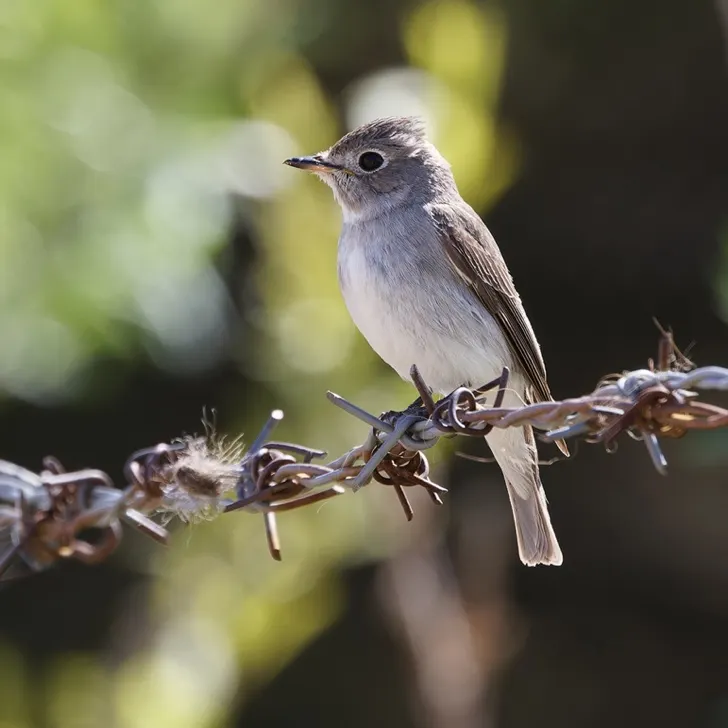
Pallas’s Sandgrouse Syrrhaptes paradoxus
COLUMBIFORMES: Columbidae
Rock Dove Columba livia livia
Hill Pigeon Columba rupestris
Eurasian Collared Dove Streptopelia decaocto
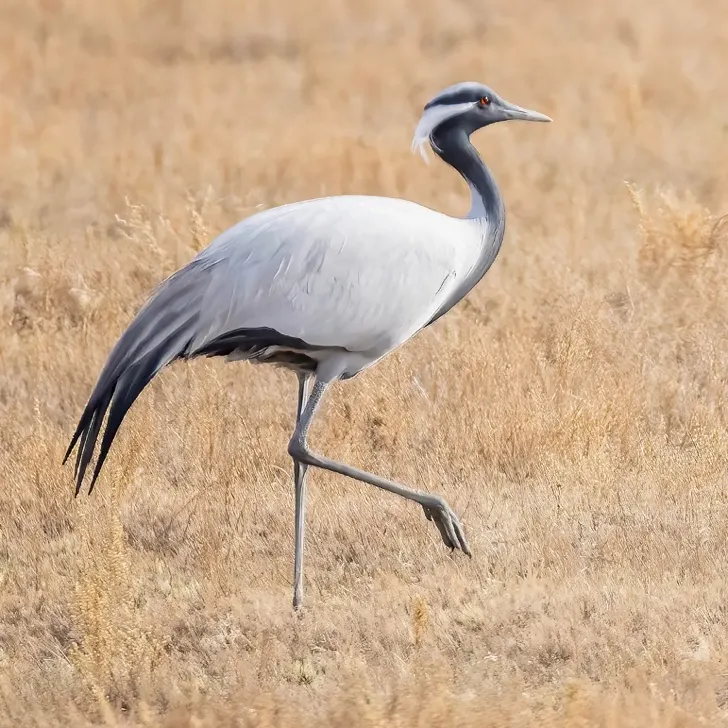
CUCULIFORMES: Cuculidae
Oriental Cuckoo Cuculus optatus heard only
Common Cuckoo Cuculus canorus canorus
STRIGIFORMES: Strigidae
Ural Owl Strix uralensis yenisseensis heard only
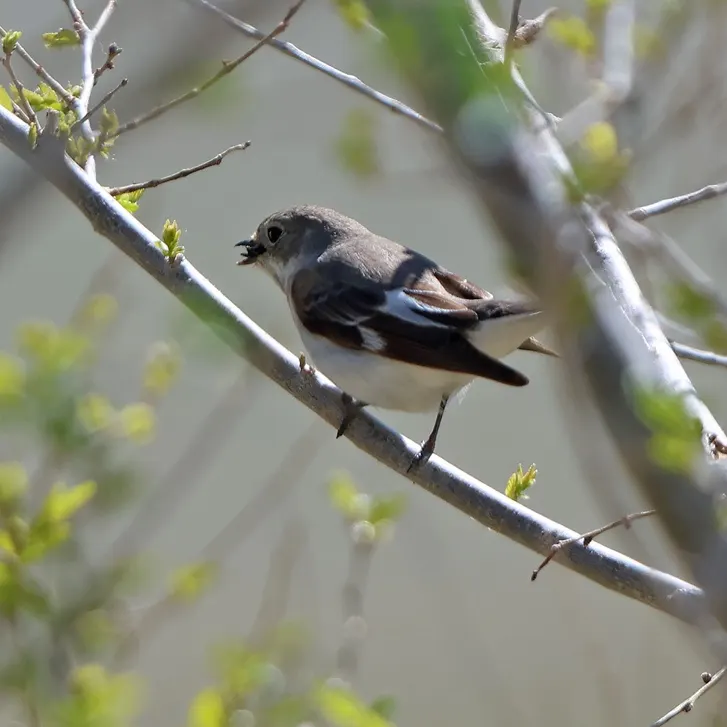
Little Owl Athene noctua plumipes
APODIFORMES: Apodidae
Common Swift Apus apus pekinensis
Pacific Swift Apus pacificus pacificus
BUCEROTIFORMES: Upupidae
Eurasian Hoopoe Upupa epops saturata
PICIFORMES: Picidae
Lesser Spotted Woodpecker Dryobates minor kamtschatkensis
Great Spotted Woodpecker Dendrocopos major brevirostris
FALCONIFORMES: Falconidae
Lesser Kestrel Falco naumanni
Common Kestrel Falco tinnunculus tinnunculus
Amur Falcon Falco amurensis
Saker Falcon Falco cherrug milvipes
PASSERIFORMES: Laniidae
Brown Shrike Lanius cristatus cristatus
Isabelline / Daurian Shrike Lanius isabellinus isabellinus
Great [Steppe] Grey Shrike Lanius excubitor pallidirostris
PASSERIFORMES: Oriolidae
Eurasian Golden Oriole Oriolus oriolus
PASSERIFORMES: Corvidae
Azure-winged Magpie Cyanopica cyanus cyanus
Eurasian Magpie Pica pica bactriana
Henderson’s / Mongolian Ground Jay Podoces hendersoni
Red-billed Chough Pyrrhocorax pyrrhocorax centralis
Daurian Jackdaw Coloeus dauuricus
Rook Corvus frugilegus pastinator
Carrion Crow Corvus corone orientalis
Northern Raven Corvus corax kamtschaticus
PASSERIFORMES: Paridae
Coal Tit Periparus ater ater
Willow Tit Poecile montanus baicalensis
Azure Tit Cyanistes cyanus yenisseensis
Great Tit Parus major kapustini
PASSERIFORMES: Remizidae
White-crowned Penduline-tit Remiz coronatus stoliczkae
PASSERIFORMES: Alaudidae
Eurasian Skylark Alauda arvensis
Crested Lark Galerida cristata magna
Horned Lark Eremophila alpestris brandti
Mongolian Lark Melanocorypha mongolica
Asian Short-toed Lark Alaudala cheleensis
PASSERIFORMES: Panuridae
Bearded Reedling Panurus biarmicus russicus
PASSERIFORMES: Hirundinidae
Sand Martin Riparia riparia taczanowskii
Barn Swallow Hirundo rustica rustica
Hirundo rustica tytleri
Eurasian Crag Martin Ptyonoprogne rupestris
Western / Common House Martin Delichon urbicum urbicum
Siberian House Martin Delichon lagopodum
PASSERIFORMES: Phylloscopidae
Common Chiffchaff Phylloscopus collybita tristis
Dusky Warbler Phylloscopus fuscatus fuscatus
Sulphur-bellied Warbler Phylloscopus griseolus
Hume’s Leaf Warbler Phylloscopus humeii humeii
Pallas’s Leaf Warbler Phylloscopus proregulus
Yellow-browed Warbler Phylloscopus inornatus
Arctic Warbler Phylloscopus borealis
Greenish Warbler Phylloscopus trochiloides
Two-barred Warbler Phylloscopus plumbeitarsus
PASSERIFORMES: Acrocephalidae
Oriental Reed Warbler Acrocephalus orientalis
Paddyfield Warbler Acrocephalus agricola
Blyth’s Reed Warbler Acrocephalus dumetorum
Thick-billed Warbler Arundinax aedon aedon
PASSERIFORMES: Locustellidae
Pallas’s Grasshopper Warbler Helopsaltes certhiola certhiola
PASSERIFORMES: Sylviidae
Barred Warbler Curruca nisoria merzbacheri
Lesser Whitethroat Curruca curruca halimodendri
Asian Desert Warbler Curruca nana
Common Whitethroat Curruca communis rubicola
PASSERIFORMES: Tichodromidae
Wallcreeper Tichodroma muraria nepalensis
PASSERIFORMES: Sturnidae
White-cheeked Starling Spodiopsar cineraceus
Common Starling Sturnus vulgaris poltaratskyi
PASSERIFORMES: Turdidae
Eyebrowed Thrush Turdus obscurus
Red-throated Thrush Turdus ruficollis
Dusky Thrush Turdus eunomus
Naumann’s Thrush Turdus naumanni
PASSERIFORMES: Muscicapidae
Spotted Flycatcher Muscicapa striata mongola
Dark-sided Flycatcher Muscicapa sibirica sibirica
Asian Brown Flycatcher Muscicapa dauurica dauurica
Siberian Rubythroat Calliope calliope
Red-flanked / Siberian Bluetail Tarsiger cyanurus
Taiga Flycatcher Ficedula albicilla
Collared Flycatcher Ficedula albicollis
Eversmann’s Redstart Phoenicurus erythronotus
Black Redstart Phoenicurus ochruros phoenicuroides
Common Redstart Phoenicurus p. phoenicurus
Daurian Redstart Phoenicurus auroreus
Güldenstädt’s Redstart Phoenicurus erythrogastrus
Rufous-tailed / Common Rock-thrush Monticola saxatilis
Hodgson’s / White-throated Bushchat Saxicola insignis
Siberian Stonechat Saxicola maurus maurus
Northern Wheatear Oenanthe oenanthe oenanthe
Isabelline Wheatear Oenanthe isabellina
Desert Wheatear Oenanthe deserti oreophila
Pied Wheatear Oenanthe pleschanka
PASSERIFORMES: Passeridae
Saxaul Sparrow Passer ammodendri
House Sparrow Passer domesticus domesticus
Eurasian Tree Sparrow Passer montanus dybowskii
Eurasian Tree Sparrow Passer montanus dilutus
Rock Sparrow Petronia petronia brevirostris
White-winged Snowfinch Montifringilla nivalis groumgrzimaili
Pere David’s Snowfinch Pyrgilauda davidiana
PASSERIFORMES: Prunellidae
Altai Accentor Prunella himalayana
Brown Accentor Prunella fulvescens dahurica
Kozlov’s / Mongolian Accentor Prunella koslowi
PASSERIFORMES: Motacillidae
Western Yellow (White-headed) Wagtail Motacilla flava leucocephala
Eastern Yellow Wagtail Motacilla t. tschutschensis
Citrine Wagtail Motacilla citreola citreola
Grey Wagtail Motacilla cinerea cinerea
White (Masked) Wagtail Motacilla alba personata
White (Transbaikalian) Wagtail Motacilla alba baicalensis
Richard’s Pipit Anthus richardi
Blyth’s Pipit Anthus godlewskii
Olive-backed Pipit Anthus hodgsoni yunnanensis
Water Pipit Anthus spinoletta blakistoni
PASSERIFORMES: Fringillidae
Hawfinch Coccothraustes c. coccothraustes
Mongolian Finch Bucanetes mongolicus
Asian [Khangai] Rosy Finch Leucosticte arctoa sushkini
Common Rosefinch Carpodacus erythrinus grebnitskii
Chinese Beautiful Rosefinch Carpodacus davidianus
Siberian Long-tailed Rosefinch Carpodacus sibiricus
Desert Finch Rhodospiza obsoleta
Twite Linaria flavirostris altaica
PASSERIFORMES: Emberizidae
Pine Bunting Emberiza leucocephalos leucocephalos
Godlewski’s Bunting Emberiza godlewskii godlewskii
Meadow Bunting Emberiza cioides cioides
Ortolan Bunting Emberiza hortulana
Grey-necked Bunting Emberiza buchanani neobscura
Yellow-breasted Bunting Emberiza aureola ornata
Black-faced Bunting Emberiza spodocephala spodocephala
Pallas’s Reed Bunting Emberiza pallasi lydiae
Emberiza pallasi pallasi
Common Reed Bunting Emberiza schoeniclus harterti
MAMMALS
Long-eared Hedgehog Hemiechinus auritus
Bat sp. Chiroptera sp.
Tolai Hare Lepus tolai
Pallas’ Pika Ochotoma pallasi
Daurian Pika Ochotona dauurica
Tarbagan Marmot Marmota sibirica
Long-tailed Ground Squirrel Spermophilus undulates
Red-cheeked Ground Squirrel Spermophilus erythrogenys
Alashan Ground Squirrel Spermophilus alashanicus
Eurasian Red Squirrel Sciuris vulgaris
Brandt’s Vole Lasiopodomys brandtii
Desert Hamster Phodopus roborovskii
Mongolian Gerbil Meriones unguiculatus
Midday Gerbil Meriones meridianus
Great Gerbil Rhombmys opimus
Gobi Jerboa Allactaga bullata
Siberian Jerboa Allactaga sibirica
Northern Three-toed Jerboa Dipus sagitta
False Zokor Myospalax aspalax mole hills
Corsac Fox Vulpes corsac
Red Fox Vulpes vulpes
Grey Wolf Canis lupus scat
Asian Badger Meles leucurus scat
Snow Leopard Uncia uncia footprint
Asiatic Wild Ass (Khulan) Equus hemionus
Przewalski’s Horse Equus przewalskii
Wapiti Cervus canadensis sibiricus
Goitered Gazelle Gazella subgutturosa yarkandensis
Mongolian Gazelle Procapra gutturosa
[Mongolian] Saiga Saiga tatarica mongolica
Siberian Ibex Capra sibirica hagenbecki
Argali Ovis ammon darwini
White-winged Terns
First published on wildlifemongolia.com. Text and photos by the report's author.