
Overview
Discover Mongolia’s Rare and Spectacular Birds
Tell us which bird species you would love to see, and we will be delighted to design a personalised birdwatching itinerary tailored to your interests and provide you with a specialised tour experience.
Day by day
- Day 1
Arrive in Ulaanbaatar – Terelj
Early arrival. Direct to Terelj.
Birds Black-billed Capercaillie, Ural Owl, Pine Bunting, Daurian Partridge, Black Woodpecker, Hazel Grouse, Siberian Rubythroat, Hill Pigeon, Yellow-breasted Bunting, Mongolian Lark, Amur Falcon
Mammals Siberian Marmot, Long-tailed Ground Squirrel, Pallas’s Pika
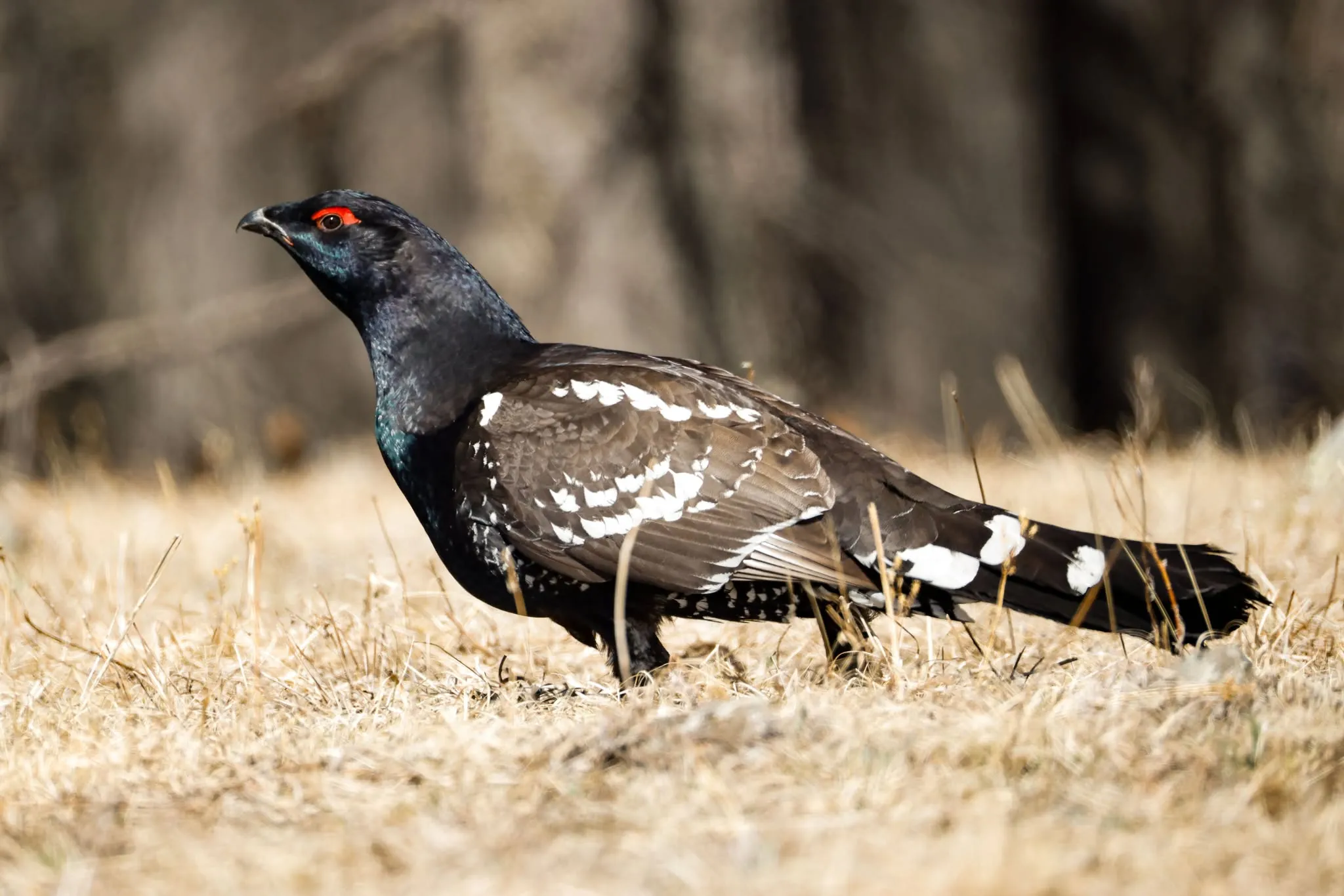
Black-billed Capercaillie - Day 2
Terelj – Khustai National Park
Birds Golden Eagle, Black Vulture, Steppe Eagle, Upland Buzzard, Amur Falcon, Mongolian Lark, Daurian Partridge, Meadow Bunting, Blyth's Pipit, Saker Falcon, Common Kestrel
Mammals Przewalski's Horses, Siberian Marmot, Red Deer, Roe Deer, Long-tailed Ground Squirrel, Daurian Ground Squirrel, Brandt's Vole
- Day 3
Khustai NP – Bayan lake – Arvaikheer
At Bayan lake:
Birds Swan Goose, Bar-headed Goose, Greylag Goose, White-naped Crane, Water Rail, Baillon’s Crake, Booted Eagle, Eastern Marsh Harrier, Pallas’s Reed Bunting, Common Reed Bunting, Bearded Tit, Amur Falcon, Mongolian Short-toed Lark, Lesser Short-toed Lark, Mongolian Lark, Chinese Grasshopper Warbler, Steppe Eagle, Pine Bunting, Relict Gull, Common Crane, Barn Swallow, White-winged Scoter
Mammals Corsac Fox, Mongolian Gerbil, Midday Gerbil, Mongolian Hamster, Steppe Zokor
- Day 4–5
Arvaikheer – Bayankhongor – Khokh lake
At Khokh lake:
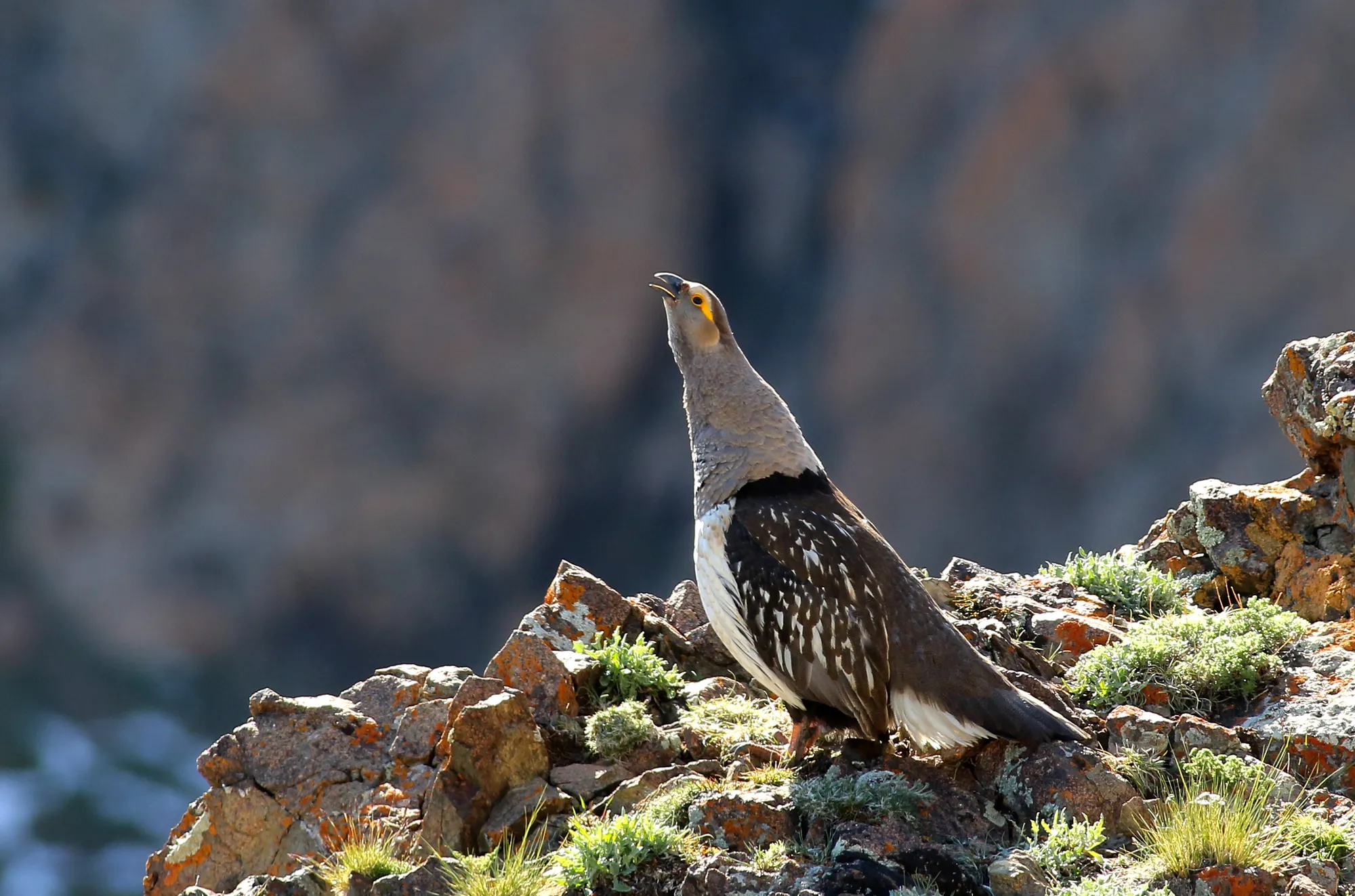
Birds Hodgson’s Bush Chat, Altai Accentor, Asian Rosy Finch, Guldenstadt’s Redstart, Altai Snowcock, Mongolian Gull, Bar-headed Goose, Black-throated Loon
Mammals Grey wolves, marmots, long-tailed ground squirrel, corsac fox
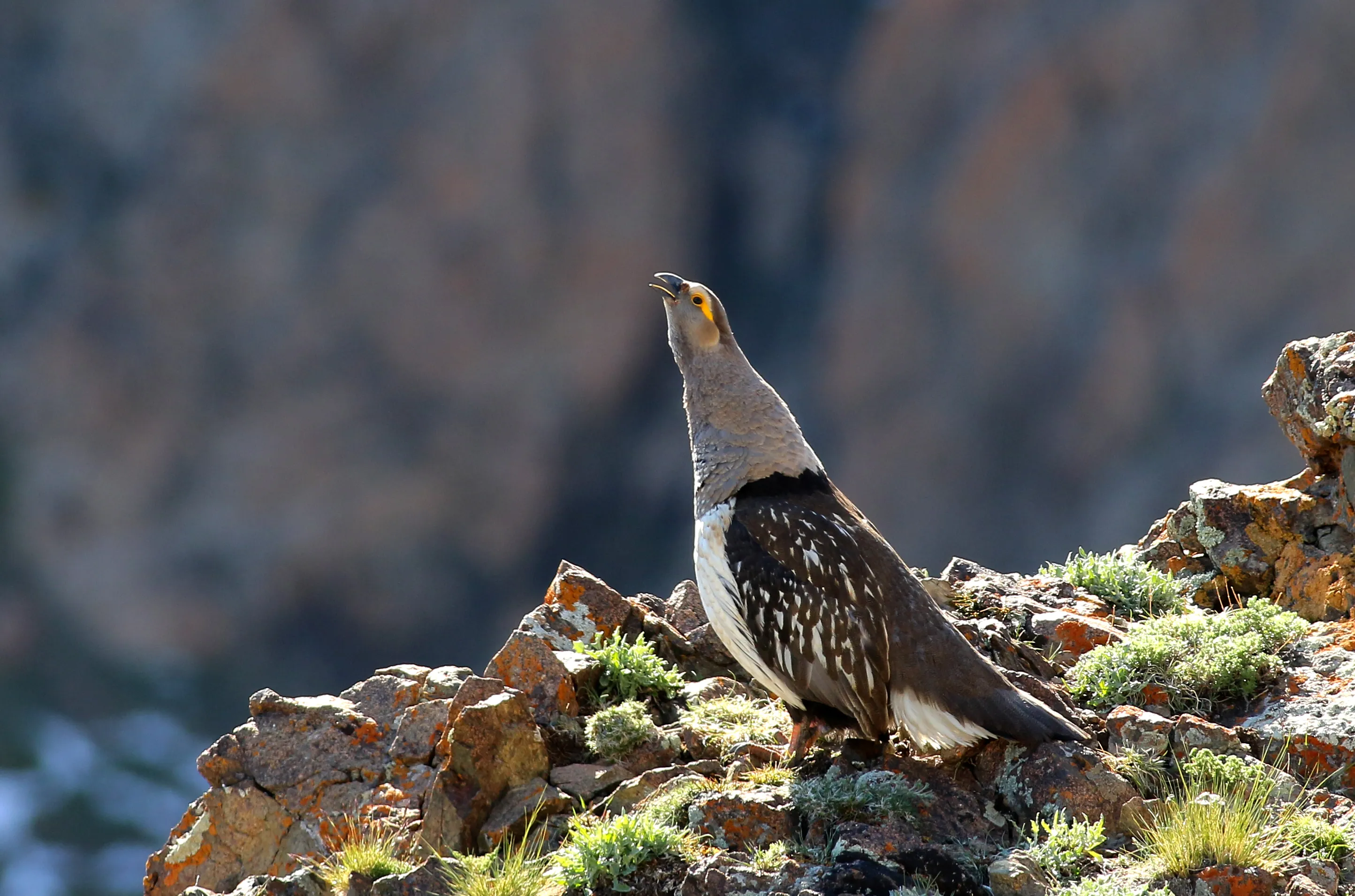
Altai Snowcock (Tetraogallus altaicus) - Day 6–7
Early morning at Khokh lake to Boon Tsagaan lake
Birds Relict Gull, Common Crane, Demoiselle Crane, White-naped Crane, Common Reed Bunting, Bar-headed Goose, Whooper Swan, Mute Swan, Caspian Tern, Asian Dowitcher, Swan Goose, Greylag Goose, Pallas’s Fish Eagle, Steppe Eagle, Buzzards, Swifts, many Shorebirds, Black-winged Stilt, Common Tern, Sandpipers, Common Snipe, Pallas's Grasshopper Warbler
Mammals Black-tailed Gazelle, Corsac Fox, Red-cheeked Ground Squirrel, gerbils
- Day 8
Boon Tsagaan lake – Orog or Kholboolj lake
At Kholboolj Lake, we have excellent opportunities to observe rare bird species such as the Relict Gull and Asian Dowitcher at relatively close range. Böön Tsagaan Lake is an extensive body of water, making it difficult to approach some birds closely. In contrast, Kholboolj Lake offers better opportunities to get closer to certain species and enjoy more rewarding birdwatching experiences.
Birds Relict Gull, Asian Dowitcher, Common Crane, Demoiselle Crane, Bar-headed Goose, Swan Goose, Greylag Goose, Steppe Eagle, Buzzards, Swifts, many Shorebirds, Black-winged Stilt, Common Tern, Sandpipers, Common Snipe, Pallas's Grasshopper Warbler
- Day 9
Kholboolj or Orog lake – Tsagaan cave – Khongor sand dunes
Target wildlife Eurasian Eagle Owl.
Birds Saxaul Sparrow, Desert Warbler, Mongolian Ground-jay, Hill Pigeon, Great Grey Shrike, Pallas's Sandgrouse
Mammals Long-eared Hedgehog, Black-tailed Gazelle, Asiatic Wild Ass, Great Gerbil, Kozlov's Pygmy Jerboa, Siberian Jerboa, Desert Hamster, Gobi Jerboa, Bats, Tolai Hare, Corsac Fox
- Day 10
Drive to Oodiin pass – Bulagtai (Oriental Plover habitat)
Approximately 15 km from here, there is a cave where Snow Leopards are known to shelter during the winter breeding season. Early in the morning, we will ask local herders to check whether a Snow Leopard is present. If one is there, we will try to visit the site for a chance to observe this magnificent and elusive animal.
We have successfully spotted Snow Leopards here on several occasions in the past. Perhaps you will be lucky enough to see one too!
Wishing you the very best of luck and an unforgettable wildlife encounter!
Birds Oriental Plover, Greater Sand Plover, Pallas’s Sandgrouse
Mammals Mongolian Gazelle, Corsac Fox
- Day 11
Drive to Yol valley
At Yol valley:
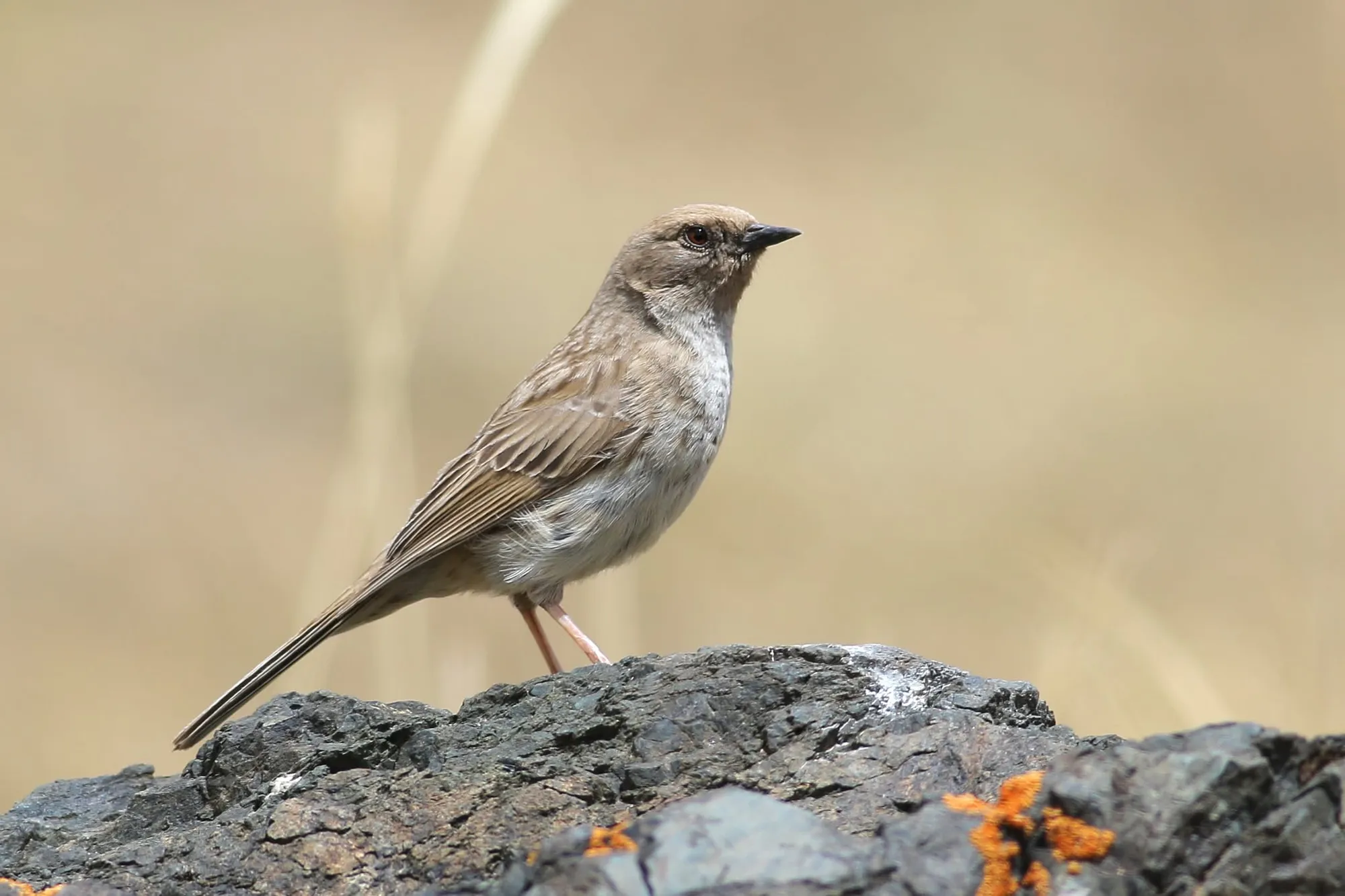
Birds Upland Buzzard, Golden Eagle, Saker Falcon, Mongolian Accentor, Brown Accentor, Alpine Accentor, White-winged Snowfinch, Godlewski’s Bunting, Lammergeier, Himalayan Griffon, Wallcreeper, Chukar Partridge, Hill Pigeon, Common Cuckoo, Common Whitethroat, Lesser Whitethroat, Booted Warbler, Thick-billed Warbler, Barred Warbler, Black Redstart, Pied Wheatear, Oriental Plover, Greater Sand Plover
Mammals Ibex, Pallas’s Pika, Daurian Pika, Alashan Ground Squirrel
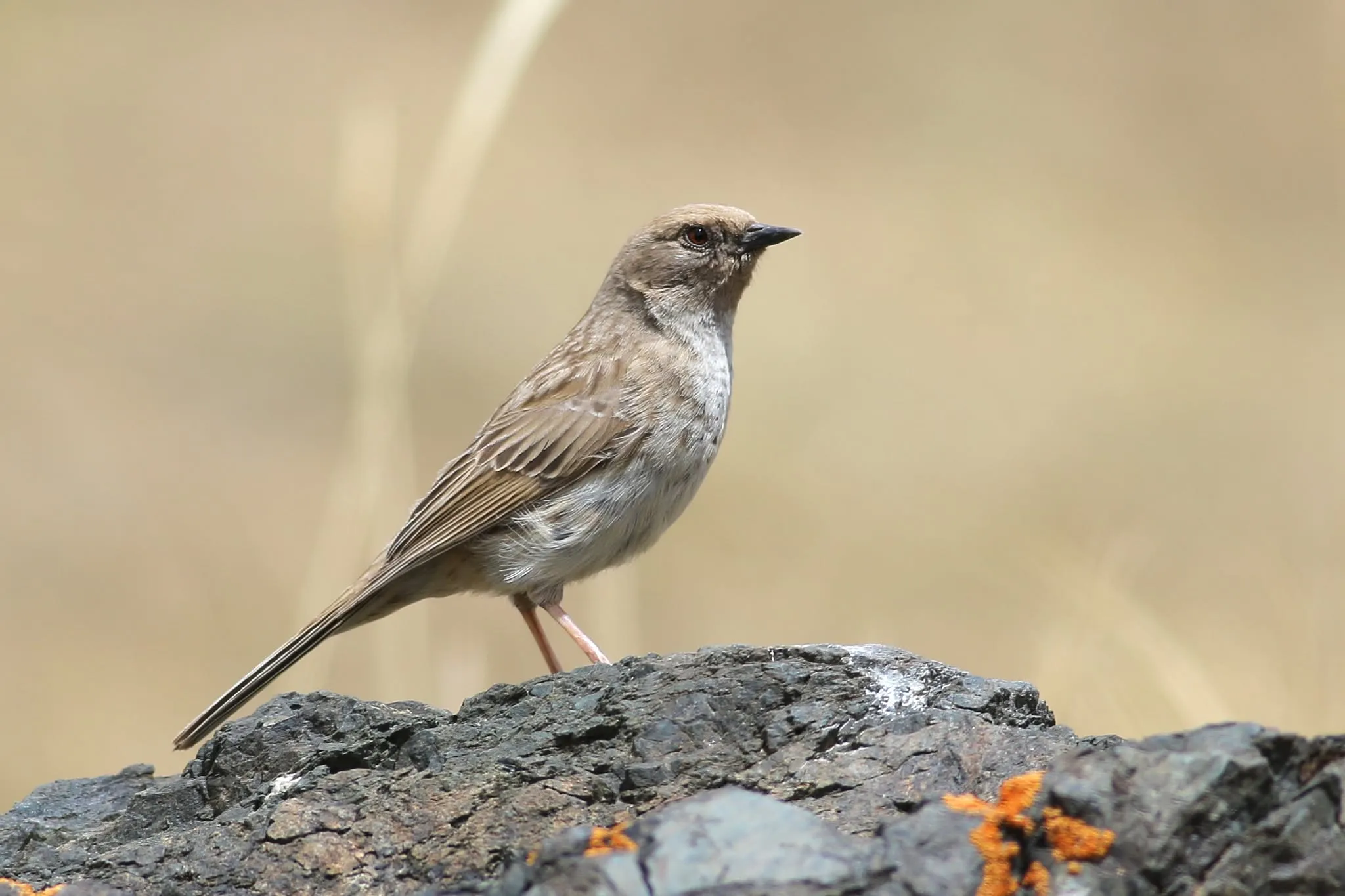
Mongolian Accentor - Day 12
Yol valley – Mandalgobi – Sum Khökh Burd – Baga Gazar
The journey from Yolyn Am to Terelj, near Ulaanbaatar, covers approximately 700 km. As this is a long drive, we have planned an overnight stop to ensure the safety and well-being of our drivers. Along the way, we will visit Sum Khökh Burd, a beautiful desert oasis where we can observe a variety of bird species. We will then spend the night at Baga Gazriin Chuluu, a spectacular landscape of dramatic granite rock formations and rugged scenery. This area is particularly rewarding for observing birds of prey. With a little luck, we may also encounter the elusive Pallas’s Cat, one of the most fascinating wild mammals of the Mongolian steppe and desert landscapes.
Birds Red-billed Chough, Lesser Kestrel, Common Kestrel, Hill Pigeon, Demoiselle Crane, Booted Eagle, Mongolian Gull, Whooper Swan, Shelducks, Long-legged Buzzard, Little Owl, Thick-billed Warbler, Lesser Whitethroat, Small Snow Finch
Mammals Pallas’s Pika
- Day 13
Leave early, drive to Terelj
Target wildlife Chinese Bush Warbler.
Birds Daurian Jackdaw, Red-billed Chough, Azure Tit, Penduline Tit, Long-tailed Rosefinch, Azure-winged Magpie, Demoiselle Crane, Booted Eagle, Woodpeckers
- Day 14
Departure
Our final overnight stop will be arranged according to the departure time of your return flight. We will stay somewhere conveniently close to the airport to ensure a comfortable and timely transfer for your departure.
If your flight is scheduled for the evening, we may also have time for some additional birdwatching at suitable locations near the airport before heading to the terminal.
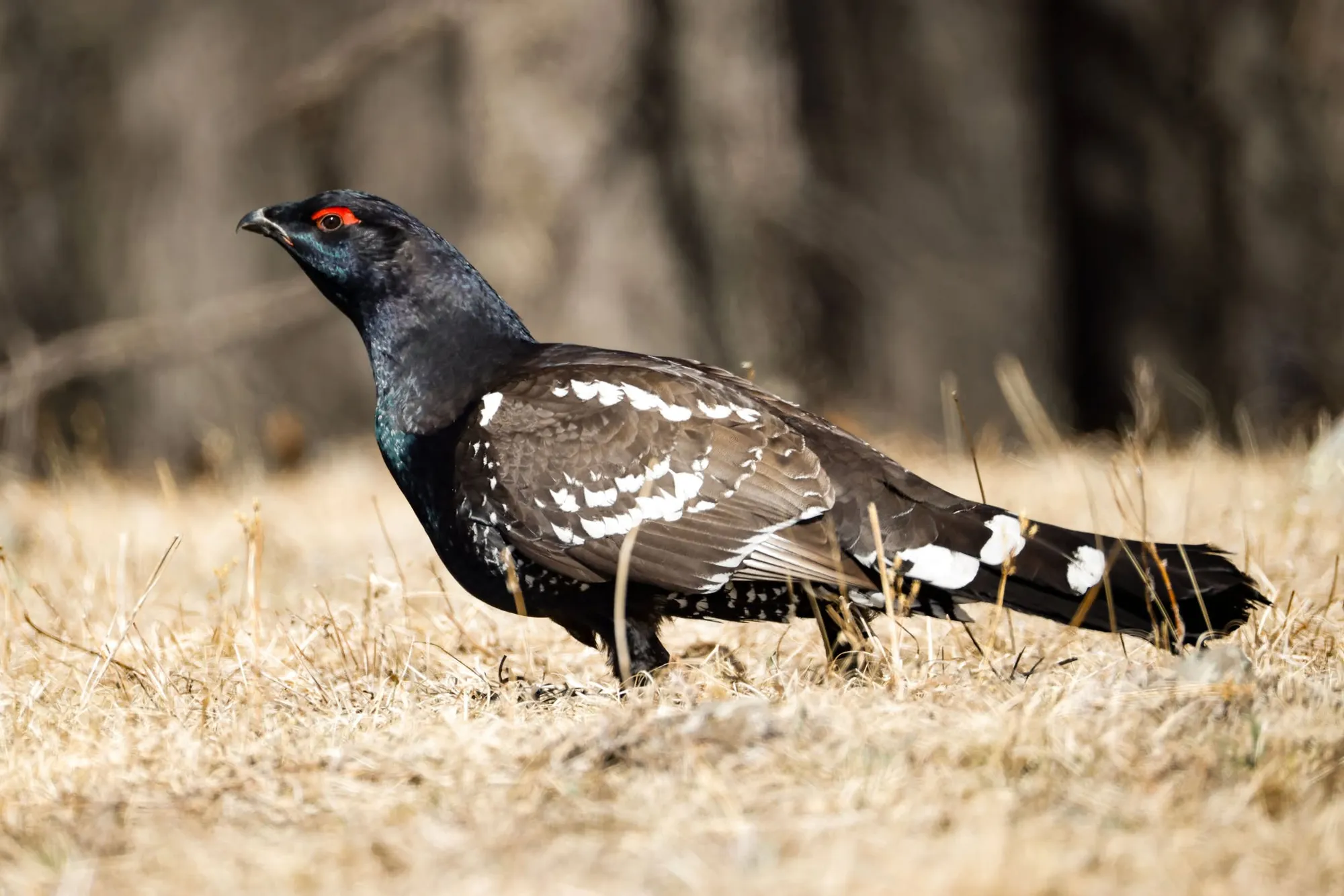
Note
Depending on the real-time information about whereabouts of birds and mammals, we may change the itinerary during the trip in order to increase the chances of seeing the target species.